
Stop the Burnout Podcast
Bonus Episode:
Burnout and the Parts of Vet Med Nobody Prepares You For with Dr. Gunila Pedersen, MRCVS
Listen HERE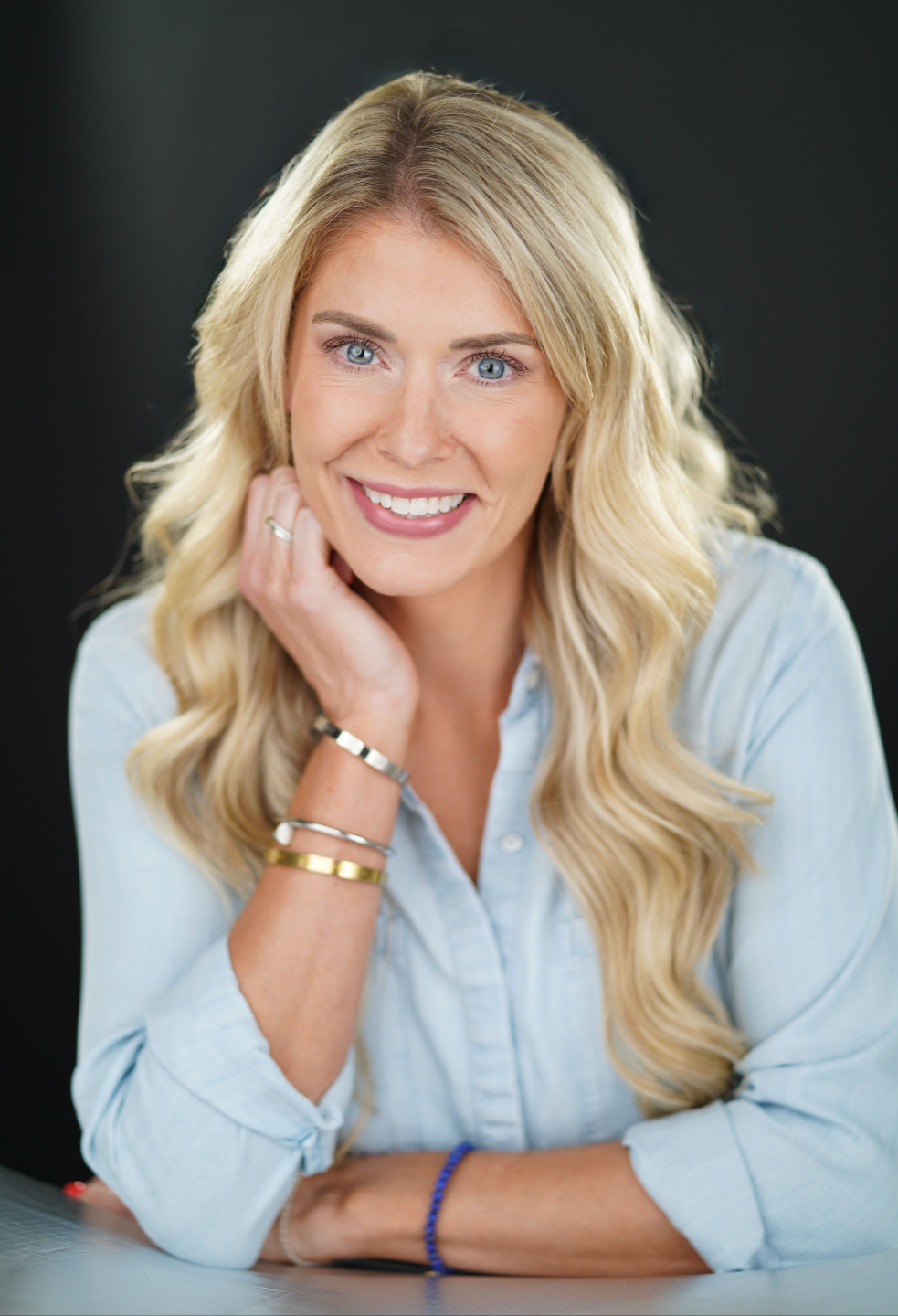
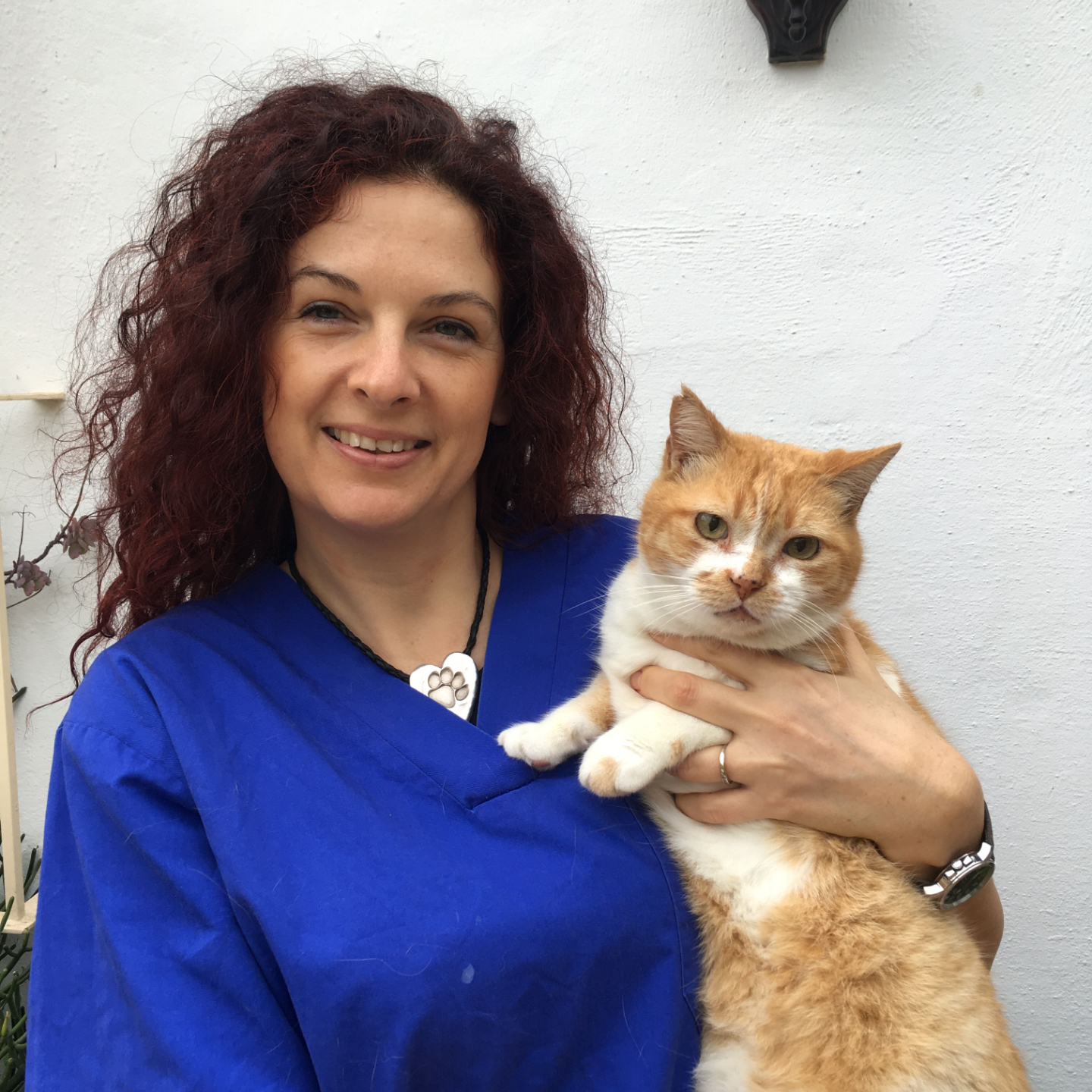
Veterinary medicine can feel emotionally exhausting in ways nobody truly prepares you for. In this candid conversation, veterinarian and colleague Dr. Gunila Pedersen and I explore the hidden realities behind veterinary burnout, including perfectionism, difficult client interactions, leadership challenges, emotional trauma from cases, and the pressure to always “get it right.”
Together, we’re sharing personal experiences from practice, the mindset shifts that helped us recover from burnout, and why learning boundaries, communication, and self-trust can completely change the veterinary experience.
This episode is an honest look at the emotional weight veterinary professionals carry and a reminder that you are not failing just because the profession feels hard.
What You'll Learn In This Episode:
-
00:01 How both Amber and Gunila experienced severe veterinary burnout before transitioning into coaching
-
00:05 Why burnout creates resentment, defensiveness, and emotional exhaustion in veterinarians
-
00:08 The emotional toll of client conversations around money and treatment decisions
-
00:12 Why veterinarians often feel responsible for every client decision and patient outcome
-
00:15 The unrealistic expectations placed on veterinary professionals in modern practice
-
00:17 How confidence, communication, and honesty can completely change client interactions
-
00:23 Why early career experiences can shape a veterinarian’s confidence for years
-
00:31 The leadership and management failures contributing to burnout in vet med
-
00:40 Why “wellness initiatives” often fail to address the real causes of burnout
-
00:45 The emotional trauma veterinarians carry after difficult cases and client conflict
-
00:48 Why veterinarians struggle to process emotions and continue pushing through stress
-
00:51 The mindset shifts that helped both Amber and Gunila stay in veterinary medicine without losing themselves
Key Takeaways
-
Burnout in veterinary medicine is often driven by perfectionism, emotional responsibility, and unrealistic expectations
-
Difficult client interactions become even harder when veterinarians lack confidence or support
-
You are not responsible for controlling client emotions or owning every outcome
-
Boundaries, communication, and emotional awareness can radically change the veterinary experience
-
Many veterinarians normalize chronic stress without realizing there is another way to practice
A Truth You Need to Hear:
“The coping mechanisms that got us through vet school are not the ones that sustain us in practice.”
Links mentioned:
Gunila Pedersen, MRCVS Contact Info:
Podcast: The Overwhelmed Vet Podcast
Instagram: @gunilalifecoach
Website: gunilalifecoach.com
Follow & find me:
www.thestressandburnoutcoach.com
S2 Bonus Episode Transcript:
Burnout and the Parts of Vet Med Nobody Prepares You For with Dr. Gunila Pedersen, MRCVS
[00:00 - 02:30] Introductions and Burnout Stories
Dr. Gunila Pedersen:
Yeah. Yes, we're on. Well, hello, Amber. Nice to meet you for the very first time.
Dr. Amber Parks:
Oh, right. Finally, yes, yes. So excited to be here.
Dr. Gunila Pedersen:
I'm so glad we decided to do this. I think this is good.
Dr. Amber Parks:
Yeah, me too.
Dr. Gunila Pedersen:
I felt like so, just for anybody listening, like we- we've just been following each other on Instagram, and just every post you made was...
I felt like this is so something I always to do this. Like- ... like we're so alike, and your sense of humor, and I thought, "You know what? Like we, we need to connect. Like, we need to."
But I actually don't know anything about it, and because you said, "Let's do this as a conversation," I didn't stalk you to try and find out everything like I normally do-
Dr. Amber Parks:
Yeah.
Dr. Gunila Pedersen:
before an interview. Right. Yeah. So you would... Do you wanna introduce yourself and just tell, tell, you know, where you're from, what you do, and why you're here and everything?
Dr. Amber Parks:
Sure, yeah. Um, I am Dr. Amber Parks. I am a small animal veterinarian turned stress and burnout coach for veterinary professionals. I am in Florida, USA, and I, um, have been...
I graduated vet school in '09, so I was an associate, um, for about 10 years. Then I went into relief work, which locum work, which is so funny 'cause I thought that was a solution to my burnout.
And then, um, I liked it for a while, and then I got burnt out again, and then I started to see it in every hospital I went in.
I was like, "Oh my gosh, it's not just me," like we're all experiencing something very similar. And then I got kind of bored, and I was like, "I need to help others with this," because I think if you go to a hospital every day and you've never maybe worked in any other hospital or done anything, you know, you, you...
that's what everything is. You know, you don't know you're on, like, an island.
So I really wanted to show others that, hey, it doesn't have to, like, be awful and toxic and suck all the time, and, um, that's where I'm at now. So yeah, I'm so, so excited.
[02:30 - 05:00] Gunila’s Journey Through Vet Med and Coaching
Dr. Gunila Pedersen:
But, um-
Dr. Amber Parks:
That's amazing.
Dr. Gunila Pedersen:
I didn't st- yeah, I didn't stalk you either, so I do wanna hear your story as well.
Yeah, 'cause you were... Because, oh, okay, so Amber and I had, we're sharing this podcast, so she's g- has a pod- what is your podcast called?
Dr. Amber Parks:
Stop the Burnout.
Dr. Gunila Pedersen:
Stop the burnout. Okay. Yeah. So we're gonna share it.
So for your listeners, so I am Dr. Gunila Pedersen. I am a Danish vet, but I have actually never worked as a vet in Denmark because as soon as I graduated in Denmark, I moved to Spain to be with my boyfriend.
We married. It's a long story, but in Spain I started up my own practice, 'cause that was the thing you did, and that was in 2008, 2009. I graduated in 2004.
Okay. Small animal veterinarian as well, and that was when there was a big crash, so the finances-
Dr. Amber Parks:
Yeah.
Dr. Gunila Pedersen:
were just not great. So it was me and a business partner.
We had, like, no idea about business. So not only did we, we're dealing with the burnout of being a vet, but it was also the business side of it, which was just like-
Dr. Amber Parks:
Wow.
Dr. Gunila Pedersen:
"Let's just borrow a lot of money and then it will be fine 'cause we're really great vets."
Dr. Amber Parks:
Right, right.
Dr. Gunila Pedersen:
"You don't need anything else to have a business, right?"
That was not quite-
Dr. Amber Parks:
That's fine.
Dr. Gunila Pedersen:
and actually my business partner, he just wanted to work with bees in the end, beehives. That's what he does now. So his, his heart was not in it.
But, so I ended up then, I got divorced also because of all this burnout, I think it was not great for the marriage, and found a British, uh, partner, and he introduced me.
He said, "Why don't you just go and locum in England? I hear they pay a lot over there."
Which I then did.
Dr. Amber Parks:
Yeah.
Dr. Gunila Pedersen:
Um, I started locuming in the UK, and it was horrible in the beginning because all, everything was so different from how it was in Spain. They have so many-
Dr. Amber Parks:
Oh.
Dr. Gunila Pedersen:
abbreviations. You know, "Can you do a PTS?"
And I'm like, "What the fuck is a PTS?" You know? It's like, "Oh, it's put to sleep. Okay."
You know? It was, like, so stressful.
[05:00 - 07:30] Burnout, Therapy, and Resentment
Dr. Gunila Pedersen:
And I was still running my clinic at home. I employed a, um-
Dr. Amber Parks:
Oh, wow.
Dr. Gunila Pedersen:
a young vet to run that, and I was working week on, week off, and it was just, uh... In the end I crashed and burned big time.
Dr. Amber Parks:
Oh, yeah.
Dr. Gunila Pedersen:
And I actually left, and I was like, "I'm never g- I'm obviously not cut to be a vet. Vet med is horrible. I'm never going back."
Um, but I actually didn't know what I wanted to do instead. So I somehow ended up taking some courses, reading some books, like what to do. I read Tim Ferriss' 4-Hour Workweek.
I'm like, "Working four hours a week, that sounds good- ... after the hell I've been through."
Dr. Amber Parks:
Sign me up. Sign me up.
Dr. Gunila Pedersen:
Um, and somehow I fell over Tony Robbins and coaching.
Dr. Amber Parks:
Mm-hmm.
Dr. Gunila Pedersen:
And I got coached by, in his program, by people around m- my marriage, around how I was dealing with my teenage daughters, and it just changed my perspective on everything.
It's just changed everything, like this need to control, this need to control others, the need to-
Dr. Amber Parks:
Yeah.
Dr. Gunila Pedersen:
everybody being happy, me controlling that everybody are happy around me. I just, that just got broken by the coaches.
And then I think after a year- I actually started missing being a vet again, and I found that now that I don't have that, I don't have that, like, I need everybody to be happy.
I don't need to control-
Dr. Amber Parks:
Right.
Dr. Gunila Pedersen:
what people think about me. I can now set boundaries. All those tools I learned, I then applied them to VetMed, and then I decided then to become a, a coach as well, and then coach other vets because I'm like, "Nobody... Everybody needs to know this."
I felt a bit like a Jehovah-Witness in the beginning, like, "See the light."
And most people are like, "What?"
So it's a bit of a... I find, like, a bit of a hill, uh, walk to try and, like, make other people see it because it's true.
I find when you're in it, you are completely convinced that this is crap, it's hard, and it sucks, and we suck, and I'm a bad vet, and I don't know, and this is just like you can't tell me anything that's gonna make me feel better, right?
[07:30 - 10:00] Burnout Archetypes and Client Resentment
Dr. Amber Parks:
So I feel like that's what we're doing as well. And, and see what you do on Instagram is just giving examples, and I felt like this, and then this happened, and then I did this, so people can see, you know, you can actually be happy. Like, you just need to, like, change a few things.
Yeah. Yeah. It's so funny that you say that because when I was really burnt out, and you're so right, I'm, like, in the thick of it, and I...
You couldn't tell me otherwise.
And I was actually, I was in therapy for many years at that point, and it was cathartic in a way that I could, like, express myself, but I felt like I was chasing my tail.
Like, we just kind of kept talking about the same things, and anyone that n- knows me knows I, I've told the story, but my therapist said, "Hey, you know, you have to set boundaries."
I'm like, "Yep."
She's like, you know, I was working ER. She's like, "You can, you know, for lunch, just go. Leave for an hour."
I'm like, "Uh, wait, what?" "Huh?"
I was like, "Yes, I will set boundaries, but that is one I cannot set."
Like, if you go to the ER and the doctor's not in the building because they went to lunch, like, that...
And so it was just so obvious to me that there's a disconnect, and I, I know she meant well. I got a lot out of therapy, but it was like, yeah, but how do we put this into practice?
Because still for many years, I was just like that. I, I was miserable. I was like, "I don't care what people tell me. This is awful."
"Um, this client is rude. Screw them."
You know, that type of, of attitude, and you get really resentful, and I think that's the part we don't talk about a lot in burnout-
Dr. Gunila Pedersen:
Yeah.
Dr. Amber Parks:
was, like, I mean, "Fuck this, fuck that."
Like, that was just-
Dr. Gunila Pedersen:
Yeah.
Dr. Amber Parks:
every, every day, you know? So-
Dr. Gunila Pedersen:
Yeah.
Dr. Amber Parks:
I'm curious if you kind of felt that too.
[10:00 - 12:30] Defensive Vet Syndrome and Money Conversations
Dr. Gunila Pedersen:
I felt that, and I've actually, um- I just made it like a quiz for, for vets to try and, like, assess their burnout, and I divide it into, like, what archetype are you?
And then I had to correct, like, what are you right now?
And it's like the worried vet, you know, the I haven't done anything, uh, well enough. I'm not good enough, and what if something happens?
And then there's the bored vet, which I think is almost like the end of the burnout, we just don't care anymore.
Dr. Amber Parks:
Sure.
Dr. Gunila Pedersen:
And then the defensive vet, which is als- which is the resentful one, is like, "Are you gonna..." Like, "Don't tell me what to do."
I know, like you're just defensive and resentful, and I went through all the phases, right?
Dr. Amber Parks:
Yeah. Same. Yeah.
Dr. Gunila Pedersen:
And now I'm the fourth one, which is the fulfilled vet. I'm now-
Dr. Amber Parks:
Yeah.
Dr. Gunila Pedersen:
I enjoy it, but I do think there's phases, and I definitely... I was resentful towards, like, if anybody would complain about the price, especially me being a business owner, even now I get defensive if somebody complains, 'cause I'm like, "Do you...
Uh, have you got an idea how much this costs to run?"
Dr. Amber Parks:
Right. Yeah.
Dr. Gunila Pedersen:
And I, I just had a huge debate. So in Denmark, um, I'm in, like, Facebook groups with vets there-
Dr. Amber Parks:
Mm.
Dr. Gunila Pedersen:
and, and, and I live there part-time, and the equivalent of... It's the Animal Protection Society, I guess, that normally work with the vets as well, and they just promoted another article out there about how vet costs have, um, gone up.
And I just went on such a rant as I emailed the director and I wrote on Facebook.
And I'm like, "Literally, we just bought a, an ultrasound scanner in my hospital. It was 430 thou- 2,000 kronas, or 50,000 pounds," which is what? I don't know, $60,000.
Dr. Amber Parks:
Wow.
Dr. Gunila Pedersen:
Yeah. Like, it's super good, and I have always been really bad at scanning.
And now I can actually see things. I diagnosed an intussusception the other day, and I was so happy.
Wow. We... And, and, and, you know, like, this saved this cat, but who's gonna pay for that?
Like, that, uh, that is not gonna come free, lady. You know?
[12:30 - 15:00] Client Expectations, Emotional Ownership, and Decision-Making
Dr. Amber Parks:
And that's so... That's a huge one, right, in our, in our profession, is the money thing.
Yeah. And I used to feel that way too. I mean, I still do, but now I'm...
Like, if a client is gonna say something, I'm so, like... It's a different stance of I pick...
Like in your case, like you're picking the right platform, you know, and the right people to say this to.
But if a client's sitting in the room complaining, I'm like, "Am I gonna tell them what I think and why things are expensive?" That's one thing.
"But am I gonna do it and hope that they agree with me?"
That's like a whole different vibe.
And when I started to realize that, then I'm like, "Eh, whatever. We're expensive, so isn't the place down the street, the one that's five towns over."
You know? I'm like, it's... Some people don't want to be educated too, and I think that's like, I found that out.
I'm like, "Wow, no one ever told me this in school. That would've been really helpful to know," right?
'Cause we think that we're doing the job wrong if we can't convince a client, and I say convince 'cause that's sometimes what it feels like, but-
Dr. Gunila Pedersen:
Yeah.
Dr. Amber Parks:
educate a client to do a certain thing because it's the best thing for their pet.
But it comes off like we're trying to, yeah, convince them.
And then when they say no, we feel like we failed, and it's like it's wrong on every aspect of that, which I think is huge when it comes to money.
[15:00 - 17:30] Vet Med Expectations and Client Abuse
Dr. Amber Parks:
Yeah. And I think too, like, we get a lot from school of like, well, this is the gold standard, and so if you didn't convince, quote unquote, the client to do that, then yeah, you're, you're not good at your job.
And but to that point, like that example you gave of that person, I've done that before and I've gotten burned before too.
I think it was many years ago, it was like a block cat, and she didn't have money for the whole thing, so, you know, we sedated, we, you know, unblocked him and as they do, and I said, "You know, he might get blocked again," and he did.
And so it was... But she was irate.
But then I'm looking at it, you know, now from a different angle of like, well, there's, there's a lot of psychology that goes on that the more you do this job, you start to predict what someone is going to potentially respond with and why that is.
Like, I think, yeah, she's, she's upset, right? She doesn't have her cat. It's the whole situation.
But really what it was was there's probably some shame in there of like she couldn't afford this for her pet.
And so but I didn't know enough of that, so in the moment I'm like, "Well, screw you because I'm trying to help you."
Yeah. Um, you know, I helped you out, and now we're in pretty much the same situation, which I already warned you is possible, and now I'm the bad guy.
And so if we don't learn that process, and I'm, I'm with you, I'm like, "Here's your information."
And when I do that, I don't have to own their decision. That is like-
Dr. Gunila Pedersen:
Yeah.
Dr. Amber Parks:
the huge piece.
[17:30 - 20:00] Letting Go of Responsibility for Client Decisions
Dr. Gunila Pedersen:
Yeah. Oh, I love that, by the way, you say that I don't have to own their decision.
Yeah. To me, so I've always said like, yeah, I'm not responsible for what they say, but it's like owning it.
Yeah, because that's what it feels like.
And if you have like, I don't know- People have like crazy amount of consoles nowaday, like, like I don't-
Dr. Amber Parks:
Yeah.
Dr. Gunila Pedersen:
I only do, yeah, as well.
So but during a day, say, you have maybe like 20, 40 consoles, and 25% of them don't go with what you wanted to do, and now you think the animal's gonna suffer.
And if you take that responsibility on yourself, like now all these animals are suffering like-
Dr. Amber Parks:
Right.
Dr. Gunila Pedersen:
10 a day, you know, every day for a week.
Right. This is on me, you know? It's, it's crazy.
Dr. Amber Parks:
Well, yeah, 'cause we, we forget the good ones, right?
Yeah. That's just how our brain is wired.
So the bad ones, like I'm sure we all have stories, like we can re- remember those bad cases and maybe bad clients like from years ago, but the good things that just happened, uh, you know, they go right in one ear and out the other, and we just, we don't remember that.
So then there's that negativity bias, and then we're just living our life through that lens.
So it does really feel like it's a shit show, you know-
Dr. Gunila Pedersen:
Yeah.
Dr. Amber Parks:
every day.
And everybody hates me, and-
Dr. Gunila Pedersen:
Yeah.
Dr. Amber Parks:
no clients are ever happy.
[20:00 - 22:30] Why Vet School Doesn’t Prepare Vets Emotionally
Dr. Gunila Pedersen:
Yeah, it's so true, isn't it?
Right. And like I'm bad at my job, and then you just get into that like inner self-talk that is just not super helpful.
And whatever you tell your mind, it'll believe.
And yeah, it's really easy to get there, really easy, I think, for a lot of people.
I feel as well, I was really angry that once I learned all this, like why don't we learn this in school?
Why do vet school not prepare us for anything?
I swear to God, the only thing I...
Like, I had one lecture, and it was a, was some lady from Eukanuba that came out and gave us pizza.
And the only thing I remember, she said, like, "X-ray the dog, not the client's wallet."
Like, don't try to guess what they earn-
Dr. Amber Parks:
Yeah.
Dr. Gunila Pedersen:
and then, you know, like...
And that's all I remember.
That's all I ever learned mentally and emotionally-
you know, to go out there and face-
Dr. Amber Parks:
That was worth it though.
Dr. Gunila Pedersen:
Yeah.
Dr. Amber Parks:
Yeah. I'm like, "That was really helpful."
Okay. You know-
Dr. Gunila Pedersen:
Well, we need more of that.
Dr. Amber Parks:
Yeah, we need a lot of that.
Yeah. Yeah. 'Cause I, I think that it's so complex the type of profession we're in, and I was just talking with a client, a coaching client, with this actually yesterday, and I said the problem with vet- vet med is that we are so client service focused, but we're healthcare and it's practice, so we know that's not gonna be 100%, and we're human, so it's not gonna be 100%.
But we're working in like the business model and the approach and the mindset that we're like a restaurant or a hotel, and like we should be able to provide this perfect care 100% of the time and never have anything mess up, and it's like so unrealistic.
[22:30 - 25:00] Confidence, Difficult Clients, and Learning to Be Human
Dr. Amber Parks:
And I get the business side, like that, that's okay.
Like, you know, we can have businesses, and we should make money.
But when, you know, I'm hearing stories of either veterinarians or technicians and they're- dealing with really disrespectful clients, like really disrespectful, borderline abusive, and everyone's just like, "Oh, no, that's just how they are."
And then you have to go see them again.
Dr. Gunila Pedersen:
Yeah.
Dr. Amber Parks:
And I'm like, well, Jesus, no wonder why we feel like crap, you know, in this profession, and we're trying so hard to meet that standard that we're always moving, you know, the goalpost for it, too.
Dr. Gunila Pedersen:
Yeah. I feel like maybe it's in the States there's a bit more of that.
I don't feel like-
Dr. Amber Parks:
Mm.
Dr. Gunila Pedersen:
maybe 'cause I'm in the UK and they're all so like polite, but I do have-
Dr. Amber Parks:
Yeah.
Dr. Gunila Pedersen:
shitty clients as well, but I do, don't feel it's as much 'cause I do follow like some, some vets and techs on social media, and they talk about clients.
But do you...
I ha- definitely am at a point now, but there's also, because now I feel so confident in myself and I feel if you, if you sit there and you have that little doubt, there's that little nagging thought like I'm not really good enough, and if another vet were here they would handle it better, they would know more, they would...
You know when you come in with a half-assed plan because you don't really know what's going on with, they just got like hyperkalemia and a hypo something and the whole thing-
Dr. Amber Parks:
Yeah.
Dr. Gunila Pedersen:
is just not right and you're like, I mean, you could try and do some bloods, but you don't really, you're kind of fishing in the dark, right?
And-
Dr. Amber Parks:
Right.
Dr. Gunila Pedersen:
because you don't have that confidence the client is like, "Eh, eh."
Now they can, they're like, like exactly like in a restaurant, "Well, this lobster is not cooked," or whatever, you know?
And-
Dr. Amber Parks:
Right.
[25:00 - 27:30] Referral Cases and Lowering Impossible Expectations
Dr. Gunila Pedersen:
and then you, you feel bad because maybe I'm not good enough, and you don't stand up for yourself and you let them just like abuse you, you know?
And I feel like now even if I don't have a proper plan, like but, but it's not a...
I learned that the pets have not read the textbook, right?
Dr. Amber Parks:
Right. Right.
Dr. Gunila Pedersen:
so, so often it is just mysterious cases.
And what really helped me, you know, was for a year and a half I worked in a referral center.
Dr. Amber Parks:
Mm.
Dr. Gunila Pedersen:
And the case that changed me was a, um, big, fat Labrador we got in in emergency, and it was just really painful and all I could not...
Could I found out what was painful?
I was like, "Abdomen? Spine? I don't know."
So, you know, did some normal tests and gave it pain relief and then I was like, "We'll refer you to multi-neurology or whoever else can deal with this," you know?
Dr. Amber Parks:
Yeah. Yeah.
Dr. Gunila Pedersen:
And the dog was in for five days, and they spent £12,000.
Wow.
And then it just stood up one day and walked out, and they never found out why it was painful.
So then I'm like, okay, expectations can be lowered a bit.
It's okay-
Dr. Amber Parks:
Mm-hmm.
Dr. Gunila Pedersen:
if I don't solve all this in like 20 minutes, you know?
Dr. Amber Parks:
Right. Right.
Well, yeah, it's bridging that gap, too, of like we have all the, the tests and diagnostics that we think we should have, but yeah, they don't always read the book.
And I know I've had cases that I still don't have answers, like that case, you know?
[27:30 - 30:00] The ALT Case and Fear of Getting It Wrong
Dr. Amber Parks:
Yeah. And you're like, "I don't know, but here we are."
Yeah. Like, what does the owner want?
The owner, they just want their pet to feel better, you know?
And sometimes I think the way that that gets perceived to us as veterinary professionals is like, "Oh, my gosh," like, "You don't know your job. You should do this."
You, you know, and it's like not to like let them off the hook, but there is a lot of that, you know, the, the, the thought that, hey, you know, I'm scared.
I'm maybe- shameful that I didn't bring my pet in sooner, and now maybe I don't have the finances, but I'm gonna... You're in front of me, and you don't really have the best plan, and I'm not buying it, then I'm gonna jump down your throat.
And you know-
Dr. Gunila Pedersen:
Yeah.
Dr. Amber Parks:
and that's exactly a lot of, a lot of what I've seen.
Yeah. Not all the time, but yeah.
Dr. Gunila Pedersen:
Yeah. Definitely when they've had guilt, and they have shame, and they have-
Dr. Amber Parks:
Yeah.
Dr. Gunila Pedersen:
frustration, they want it to be better.
But I think that's where the communication is key, right?
Dr. Amber Parks:
Yeah.
Dr. Gunila Pedersen:
'Cause I have not, like, I might have one a year that does that now.
Yeah.
And I think because more than, more than them wanting to the pet to be better, which obviously what they want, but also they want someone on their side.
So I feel like even if-
Dr. Amber Parks:
Yeah.
Dr. Gunila Pedersen:
if we can sit in the little boat together and row together, even if it's like-
Dr. Amber Parks:
Yeah.
Dr. Gunila Pedersen:
not very great because they have no money, and the animal's brought in way too late, but we're kind of like, "I'm with you," right?
We're, "Let's see what we can do."
Like, I really include them, and I make them feel heard, and I make them feel seen, and they- I- understood, even if sometimes a bit like, "Uh, why did you do that?"
Right. But okay, yeah.
I'm here, I'm here for it, right?
'Cause this is what we've got now, accepting that and making them feel accepted.
I feel like then even if the pet doesn't get better, but if they can, they c- they can ask me, like, well, I can say, "Do you want me to give it some pain relief? I can do this. We can do that."
You know, like, then they don't expect, like, perfection because they understand that-
Dr. Amber Parks:
Right.
Dr. Gunila Pedersen:
we're working together, but it's a process.
It's not, it's not clear-cut. Medicine never is.
[30:00 - 32:30] Communication, Transparency, and Working With Clients
Dr. Amber Parks:
And, and it's so hard, too, because, like, in that case, I think that when people do feel heard and seen, and you're more human, but you're exactly right.
If there's, like, that little, like, tiny, tiny creak of a door of, like, "Oh, I'm opening this door of, like, I don't really feel comfortable," then you're, you know, you're in front of them, and that's what you're gonna feel.
But I do think, I've always told, like, my technicians when I worked ER, you know, they're like, "Oh, man, this lady's a little crazy."
I'm like, "I can handle crazy. I can handle no money."
I was like, being out, like, rude even to my support staff before you get to me, like, then we're gonna have a problem.
But that doesn't bother me so much, but that's a lot of, like...
We almost have, like, the trauma, too, from when I was a younger vet of, like, I thought I was supposed to be perfect and know everything, and I know I didn't give that type of persona.
And it was like, yes, this is not gonna go well, and then I, you know, got someone jump down my throat essentially.
So, and I think a lot of people kind of experience something somewhere.
It doesn't even have to be a lot.
And then we have those memories, and then we're going into practice, and we're already like- feeling like we have to be on edge or be defensive.
And so it, it just kind of, um, adds to it, you know, and, and spiraling, for sure.
Dr. Gunila Pedersen:
It's like a self-fulfilling prophecy, isn't it?
Like, I think you're gonna be a nasty bugger, so I'm just gonna be defensive and not be vulnerable and not show I'm human.
I know it sounds like very cliche, show you're human, but it's true, isn't it?
Yeah. Like saying, "Oh my God, I'm so sorry this is happening to your dog. I really, I don't, I don't understand why."
Like, I've done that.
Like, you, you get the history, and while they're giving the history, I get like, "This doesn't make sen-"
And I, and I touch the animal.
I'm like, "This doesn't make sense."
And then I'm like, "I don't know what's going on, but he's painful. Let's give him some pain relief, and let's try and sort out."
I, I, I don't understand why this is...
I literally tell them, "I don't know what's going on."
[32:30 - 35:00] First Year Trauma and Impossible Standards
Dr. Amber Parks:
Yeah. Yeah.
"But let's make sure he's not. Let's just give him some methadone and then figure it out," no?
I don't have that, but if you can't show this, I can't show them I don't know.
I have to give them something.
Dr. Gunila Pedersen:
Yeah.
Dr. Amber Parks:
That creates tension, no?
I was-
Dr. Gunila Pedersen:
Yeah. I definitely feel like that inner te- it's the inner ten- tension, you know.
It's frustration, it's fear.
Mm.
It's their past, whatever is coming up for them, you know.
Um, and then that tension, they want to release it somewhere.
And if they can see that you are also tense, it's just like this fire building up-
Dr. Amber Parks:
Yeah.
Dr. Gunila Pedersen:
isn't it?
Yeah.
And I think, too, a lot of what can contribute to that as well is that we do have a disconnect between what we think we're supposed to be doing, like especially out of school.
Like, you think that if you came out of school and you said that your first year to a practice, like, "I don't really know what's going on," like, we're like, "What?"
Like, you would never say that, you know?
So it's, it's having that disconnect, and you're like, "I can't say that."
So being human, yeah, 100%.
That takes you really far.
Dr. Gunila Pedersen:
That is so true, and I, I think, don't you think as well the, our first year out kind of marks us a bit?
Like, I coached a, um, an, a vet the other day eight years in, and she's so on her way out now.
There's no, no stopping that.
But we just had a chat, and she said, "Oh yeah, because the first six months I worked in a place, the manager was really new. We were all new vets."
And she, "We were told we could not make any mistakes ever. Like, no mistakes. If we made a mistake, we're not allowed to do that procedure again."
[35:00 - 37:30] How Early Career Experiences Shape Veterinarians
Dr. Gunila Pedersen:
And I was like, "Oh, okay, girl, no wonder you burned out."
And she said to me-
Dr. Amber Parks:
Yeah.
Dr. Gunila Pedersen:
and it was funny 'cause she couldn't even see it now 'cause she's still in burnout.
"No, but that's what good," be- it was good because it really m- made our level, you know, high, and then I, you know, you keep that level, and you're as perfect as possible.
I'm like, "Yeah, but you only lasted eight years, girl, so like-"
Dr. Amber Parks:
Right, right.
Dr. Gunila Pedersen:
"What's that worth anything, you know?"
You got, could have had 40 years, right?
Dr. Amber Parks:
Yeah.
Oh my gosh, that is, it is.
I totally agree.
I, um, when I- was an associate before I went in to do locum work, I did-
I actually told my boss, I was like, "I'm leaving. I'm burnt out."
And h- and he was ac- he's a great guy. We still have a good relationship.
And he was like, "Well, hold on. Like, don't leave. I have this other opportunity."
And he had these other practices, so he's like, "Can you come on board and help me mentor the other doctors?"
Like, obviously more at that point was, like, clinical consulting.
I'm like, "Yeah, absolutely."
And I noticed that exactly.
I'm like, every doctor, and it didn't matter if they were two years out or they were 20 years out, if they had, like, a really challenging beginning o- out of vet school, that just set the precedence for a lot of their career.
Because I saw ones that had been out for 15 years that weren't very comfortable, and ones that were out two years, and it wasn't that confidence, like the arrogance.
Yeah. It was like, okay, they're just, like...
So I can't imagine if I heard something like that my first year out of school.
Like, "You can't make a mistake."
Mm-hmm.
Like, that already gives me palpitations.
Like, just hearing that.
[37:30 - 40:00] Vet School vs Real Life Practice
Dr. Gunila Pedersen:
Without no question.
Yeah. Yeah.
Yeah, so much, that's so much damage, isn't it?
And, and we-
Dr. Amber Parks:
Mm.
Dr. Gunila Pedersen:
too, we too young and gullible and innocent at that point.
We don't really know.
We just come out, and I think, like, in vet school, it's like they show you, like, the PowerPoint whatever, and you have this case, and then you do these tests, and there's, like, a flow chart, isn't there?
And you just follow the flow chart-
Dr. Amber Parks:
Yeah.
Dr. Gunila Pedersen:
and then you get to this happy end-
Dr. Amber Parks:
It's all easy.
Dr. Gunila Pedersen:
this is happy ending.
You just need to do the right tests.
So when we then go and we do the test and nothing match up, and you're like, "What the hell is going on here?"
Mm-hmm.
We, we think we've done something wrong, right?
And if we don't get the right support right at that time, I think that's, that's, that, that gets really scary very, very quickly.
And we feel like we're doing something wrong all the time then.
Dr. Amber Parks:
Yeah, I was not prepared out of school for, like, the occasional vomiting, no weight loss, middle-aged dog, blood work lab's normal.
I'm like, "Uh, what?"
Like, you know?
Like, it's just...
And the pet's stable, you know?
Or the, just the nondescript, like you said, never end up getting a diagnosis.
We just...
And, and so it's almost too, I think a lot of us, we're so focused on getting to the end result, like undergrad and then vet school.
Like, we're getting there, right?
So we know that we're gonna get there, and we just work really, really hard, and then we get to the end and we're like, "Well, okay, now what?"
[40:00 - 42:30] Fear Around Diagnostics and Uncertainty
Dr. Amber Parks:
It's the same thing with diagnostics.
Like, we get to the end, but if we don't really get a diagnosis, we think we didn't get to the end.
We didn't finish it.
We didn't do it right.
Dr. Gunila Pedersen:
Yeah. And it can be really frustrating, yeah.
Especially when we, we feel we should be able to give the owners an answer, no?
Like, we need to, we need to be able to give the owners an answer, and then we don't...
You know, you have to call them with the results.
And I was coaching a vet the other day and, uh, she s- she had some, a traumatic start to her life as well, and as a vet.
And, and she was now in a new clinic, and everybody would just offer blood tester, and the, the, all the clients always say yes.
And she's so traumatized about it because she's like, "I offer blood, but if I don't ha- know exactly what I'm gonna do with the results," and it comes back, you know, when the ALT is high or something-
Dr. Amber Parks:
Oh.
Dr. Gunila Pedersen:
and you're like, "Oh my God, what do I do with this now?"
Dr. Amber Parks:
Yeah.
Dr. Gunila Pedersen:
And you can't say, "Because this is high because of that, and this is low because of that, and this is what we're gonna do."
You just have...
I mean, some of the results-
Dr. Amber Parks:
Yeah.
Dr. Gunila Pedersen:
are not quite right, but I don't really know why.
Right.
And I don't really know why I took the bloods in the first place, but here we are.
It's just, yeah.
So she's, like, really struggling with that, no?
[42:30 - 45:00] The Emotional Weight of Difficult Cases and Complaints
Dr. Amber Parks:
Yeah.
Uh, that's, that's funny.
I had a case like this, which is seared into my brain, and it was an older cat.
It was, like, 14 or 15.
We did annual bloods, and it was just there for its wellness.
It was pretty healthy otherwise.
And its ALT was really, really high.
Nothing else in the labs were abnormal, and there was no clinical signs at home.
And I was like, you know, I said to the owner, like, "This could be a million different reasons."
Um, you know, we had ultrasound in the clinic.
I was like, "We should just take a look."
'Cause I'm thinking in my head, and now I tell my coaching clients this, like, "What would you do with your pet?"
You know?
Like, we're probably all, we know when to jump, right?
We know when to, like...
We've seen all the shit go sideways, and we know when it's bad.
And, you know, I was like, I- I mean, I would, I would do an ultrasound on my cat because I don't know.
You know, let's just gain more information.
Now I would've said it different, you know?
But we did the ultrasound.
Didn't see anything.
Um, I don't, I think I took aspirates of the liver.
I can't even remember.
But long story short, the cat was fine, and the owner was so mad, so mad.
He ended up, um...
And he was very misogynistic and condescending, like, all the things that just make it 10 times worse.
Dr. Gunila Pedersen:
Oh, God.
Dr. Amber Parks:
Yeah.
And he's like, well, at first, he was, like, kind of on my side.
He's like, "Well, maybe the lab messed up."
So we called the lab, and I'm like, now I wouldn't have done any of this, but my boss was very like, "Well, let's just gain more information," which I, I get that approach, but it went way too far.
And we're, like, asking for the quality control log at the lab.
Yeah.
And I'm like, "Okay."
So then when it was like, well, that was okay, he's like, "Well, then it must be you. Like, why would you recommend this test?"
Yeah.
And he got so mad.
[45:00 - 47:30] Complaints, Fear, and Hindsight Bias
Dr. Amber Parks:
And he got so mad. He ended up going to, here in the US, we have the Better Business Bureau.
So it's like a, like, for any business, they give you, like, a rating if you are signed up with them.
So most, you know, you want, like, an A+ rating.
And th- he lodged a complaint and was like, "They're not, you know, doing-" He just felt like he got, spent money that did- he didn't need to spend.
And I'm like, "Well, sometimes we do tests and they're normal. Imagine that."
But anyway, but I'm like thinking to myself, you know for this case, if I didn't recommend that, his cat would've had something really bad.
And then I would've been screwed, right?
Like, that's just how it is.
Dr. Gunila Pedersen:
Yeah.
Dr. Amber Parks:
And so long story short, I had to get on the phone with the Better Business Bureau person.
He was like a mediator between me and him.
Now I would've just hung up the phone, walked away, and not thought twice about it.
But I'm like, there we go again.
That's like a customer service.
Like the Better Business Bureau is for like restaurants-
Dr. Gunila Pedersen:
and like a car mechanic, you know what I mean?
Like, you're veter-
Dr. Amber Parks:
Like, there's so many nu- it's so nuanced in veterinary medicine.
But that is seared into my brain, and I think about it every time I see an ALT in an older cat.
But it's things like that that you're like, "Well, maybe I shouldn't have done that."
I'm like, "Nope, you can't make that decision with the information you have after the fact."
That's where we get ourselves stuck too.
[47:30 - 50:00] Honesty, Communication, and Shared Decision-Making
Dr. Gunila Pedersen:
Yeah. The hindsight, oh my God, so often.
Yeah. So often.
But I think like now with the experience, I think when we are younger as well, we really want to say the right thing.
But I think with my experience now, like what I would probably say, like, "This is high. It could be something. It couldn't be," and like, "Could be nothing."
Dr. Amber Parks:
Yeah.
Dr. Gunila Pedersen:
"My hunch is it's probably nothing. If you wanna be absolutely sure, we can do more tests."
Like, and then-
Dr. Amber Parks:
Yeah.
Dr. Gunila Pedersen:
let's say, what we do with your cat, I'll, and I'll be like, "I'd probably not do anything, but you know, it could be a tumor. I don't know."
Like, I'd use just completely honest.
Dr. Amber Parks:
Right.
Dr. Gunila Pedersen:
You just put all the cards on the table, and you let them choose, right?
That's what, that's what we do.
Yeah.
Um-
Dr. Amber Parks:
Yeah. And I think that's-
But, you just don't know.
Right.
And I think that's what it is too, is that we feel like we have to be the ones to put all the cards on the table, but then pick the right one and recommend that right one.
Yeah.
And that, you know what I mean?
I'm like, no, like I said before, like we don't have to own that.
And you know what, the other thing too, I'm curious to get your thoughts, is kind of switching a little bit, but the things that I've heard lately from my coaching clients are to do with like the team and/or management and not...
I've had amazing support staff and technicians, I've been very, very lucky in management.
But some of the things that I'm hearing, I'm like, "Oh gosh."
Now add in, you know, a s- a client that is not being super nice or a stressful case, and now you've got management telling you these crazy things of what they think should go on.
And I'm like, "Oh my gosh, this is the..."
We're just, we're running into the ground.
[50:00 - 52:30] Corporate Management and Lack of Leadership Training
Dr. Amber Parks:
So I'm curious like what your take is on- what that has looked like for you in vet med, especially being over there on the other side of the pond.
Dr. Gunila Pedersen:
I was really lucky.
My first job, it was a small private clinic, and the, the owners were just really, really nice.
Um, so I had support in the beginning, which has, I think, has helped me a lot of the way that, uh, and also made me, after all the horribleness, and I left and I came back, it made me also come back 'cause I had that picture of it can be really nice and just exciting and fun as well.
Dr. Amber Parks:
Yes.
Dr. Gunila Pedersen:
Mm-hmm.
But I have run into ba- bad manage- like bad management since, and I think corporate are, are worse because I see the, the, the practice manager.
You have the...
So here in the UK you'll have a practice manager, who's the person kind of in charge of I guess hi- I don't even know what the fuck they do.
But you know what I mean, like okay, you sit behind a desk and do something in your computer, but I don't really see anything happening.
Um-
Dr. Amber Parks:
Yeah.
Dr. Gunila Pedersen:
but they're often brought in, like from literally like leading a supermarket.
Like that-
Dr. Amber Parks:
Yeah.
Dr. Gunila Pedersen:
a lot of them are coming straight...
Oh, your cat. I love it.
Dr. Amber Parks:
Yeah, that's my cat.
He's, he's...
I literally can't do any Zoom calls without him on my lap, so we'll just-
Dr. Gunila Pedersen:
Oh, my God.
Yeah. He's-
Dr. Amber Parks:
That's it.
Dr. Gunila Pedersen:
my assistant.
Proper.
This is a proper vet podcast now.
[52:30 - 55:00] Medical Directors, Leadership, and Feeling Unsupported
Dr. Gunila Pedersen:
Yeah, right. Right.
Uh, yeah.
So we have a clinical, uh, manager who can be, uh, either maybe a nurse or more, more often than not it's someone brought in from customer service at some completely pr- different thing.
Dr. Amber Parks:
Yeah. Yep.
Dr. Gunila Pedersen:
Um, and then you have a clinical director who is basically this, the vets that's most senior, but often none of them have any leadership training in anything.
Dr. Amber Parks:
Yes. Yep.
Dr. Gunila Pedersen:
And it's just a, a shit show, and you don't feel supported, and it's a lot, a lot of like how much money you have to make and, and you know, and it's, it's not very...
And it's a bit like you talked about having a therapist, which if I have found my vet coaching clients say as well, like the therapists just don't get it.
You know, you have to like stop-
Dr. Amber Parks:
Yeah.
Dr. Gunila Pedersen:
in the middle.
You're pouring your heart out and they're like, "But what's her GDV?" You know, and you have to-
Dr. Amber Parks:
Right.
Dr. Gunila Pedersen:
They're like, you can't...
Well, um, but I feel-
Dr. Amber Parks:
Like, never mind.
Dr. Gunila Pedersen:
Exactly, but I feel when management are not, have no experience of, of being-
Dr. Amber Parks:
Yes.
Dr. Gunila Pedersen:
vets as well, like it's very difficult to...
I don't f- I think it's a little difficult to manage a veteran or client-
from a point of view of, of being a, from cust- customer service and don't understand all the nuances and all the...
But it's not that easy to get a diagnosis, and I can't just-
Dr. Amber Parks:
Right.
[55:00 - 57:30] Balancing Medicine, Money, and Personal Integrity
Dr. Gunila Pedersen:
you know, um, there's so many little things, isn't there?
It's also like when you charge, do you charge a full ultrasound scan?
Do you charge the usage of the ultrasound?
Do you charge a free fluid check?
And it, and it's very nuanced.
It's not, it's not that easy, is it?
Because if the owner-
cannot afford anything, but they can afford £80 for an ultrasound usage, I will do that and I will charge that even if I do a whole abdomen scan 'cause I wanna save the pet, you know?
And don't- and what I say to the young vets I come across in my practice is, like, "You have to be able to sleep at night, and I'd rather have you be told off by management than you not being able to sleep because you don't feel you did the right thing."
I feel as vets we do need to, and then coming back to your restaurant kind of perspective is-
Dr. Amber Parks:
Yeah.
Dr. Gunila Pedersen:
we do, our, our care does come first, and I'd rather have my management going, "You need to make more money" or, "You shouldn't have done that."
And my, my hopefully they're not listening to this, but my approach is like-
Dr. Amber Parks:
"You're so right. I'll do better next time," and smile.
Dr. Gunila Pedersen:
Right, right, right.
And then I just do what I want anyway, you know, like-
Dr. Amber Parks:
Yeah.
[57:30 - 60:00] Mentorship, Boundaries, and Burnout Prevention
Dr. Amber Parks:
because I, I always say that to my clients and, like, if you...
And it seems really simple, but we don't always do it or we get caught up of, like, what is best for the pet?
Because I think if we always do that, either we do it in emergency and we didn't have authorization, excuse me, but the owner, like we, we did CPR, say, like you're never gonna-
Dr. Gunila Pedersen:
Yeah.
Dr. Amber Parks:
regret doing that.
You would regret being like, "Well, the owner doesn't have money," or, "I'm not really sure so I'm gonna wait."
You know what I mean?
Like-
Dr. Gunila Pedersen:
Yeah.
Dr. Amber Parks:
it's just like if we do what's best, the owner can be upset, um, management can be upset, it doesn't matter.
Like, would you want h- that to have happened for your pet?
And-
Dr. Gunila Pedersen:
Yes.
Dr. Amber Parks:
you know what I mean?
Like, and it's very simple, but that is like a, a compass, if you will, of how to look at situations like that, 100%.
Yeah.
And-
Dr. Gunila Pedersen:
Yeah.
Dr. Amber Parks:
you're so funny with the, the management.
Um, thankfully I have had s- some that were just phenomenal and then you compare everyone to them.
But yes, I have seen a lot where with my coaching clients too, they're, like, telling me about the manager, and the manager has no clue about the profession.
They don't know.
They sit in an office.
And I'm like, "That's..."
Like in my experience, the ones that did really well, they were hands-on, you know, they were helping, they were guiding, they're making sure the workflow is good.
They're doing their ordering and their reports, but they're not, like, oblivious to the, you know, train wreck that's going on maybe in the, the hospital.
[60:00 - 62:30] Leadership, Clinic Culture, and Emotional Safety
Dr. Gunila Pedersen:
Exactly. And I think that's the thing, isn't it?
Like, if you have someone leading a team that doesn't understand what it's like to be in the consult room with a crying owner or an aggressive client or a dying pet, then how can they support you properly?
They can maybe support systems and schedules and numbers, but not emotionally.
And I think that's where a lot of the disconnect comes in.
Because vets and nurses and techs, we don't just leave work at work.
Like, we carry this stuff home.
Dr. Amber Parks:
Yeah.
Dr. Gunila Pedersen:
And if management doesn't understand that, then it becomes very much like, "Well, why are you upset? Why are you stressed? Just get on with it."
And then people start feeling weak for having normal emotional responses.
Dr. Amber Parks:
Yes. Oh my gosh, yes.
And then you start questioning yourself, like, "Why can't I handle this better?"
But it's not that you can't handle it.
It's that you're in an environment where you're constantly under pressure and emotionally activated and then expected to just shut it off immediately.
And that's not how humans work.
Especially not people who are empathetic and care deeply.
[62:30 - 65:00] Compassion Fatigue and the Need for Boundaries
Dr. Amber Parks:
And that's where I think boundaries get misunderstood too.
Because people hear "boundaries" and they think, like, being cold or not caring or not helping.
And I'm like, no, boundaries are actually what allow you to continue caring.
Without them, you become resentful.
You become exhausted.
You start hating clients.
You start hating your job.
And then eventually you start hating yourself because you don't recognize who you've become.
Dr. Gunila Pedersen:
Yeah. Absolutely.
And I think a lot of vets are terrified that if they stop overgiving, then they're suddenly a bad person.
Like, if I don't stay late every day, if I don't squeeze in one more appointment, if I don't answer this client message at 10 o'clock at night, then somehow I'm selfish.
And it's just not true.
Like, that's not sustainable.
Dr. Amber Parks:
Right.
Dr. Gunila Pedersen:
You can't pour from an empty cup.
And I know that's such a cheesy saying, but it's true.
Like, eventually your nervous system just says, "Nope. We're done."
And then that's when people either leave the profession or mentally check out.
[65:00 - 67:30] Identity, Perfectionism, and Self-Worth
Dr. Gunila Pedersen:
I think as well for many of us, being a vet becomes our entire identity.
Like, we worked so hard to get there.
School is so competitive.
Everybody tells you how amazing you are for becoming a vet.
And then suddenly if you're struggling, it feels like your whole identity is collapsing.
Dr. Amber Parks:
Yes.
And then if you make a mistake or a client complains or management criticizes you, it doesn't just feel like feedback.
It feels like, "I am bad."
Not, "I did something imperfect."
Like, "I am fundamentally not good enough."
And that's a horrible place to live from mentally.
Dr. Gunila Pedersen:
Yeah. And perfectionism is so rewarded in school.
Like, perfectionism gets you into vet school.
But then perfectionism destroys you in real clinical life because medicine is messy and emotional and unpredictable.
And no one can do it perfectly.
Dr. Amber Parks:
Exactly.
And I think that's one of the hardest transitions for people.
Because in school there was always a right answer.
And then suddenly in practice you're like, "Well, maybe. It depends."
And people hate hearing that.
[67:30 - 70:00] Rebuilding Confidence and Trusting Yourself Again
Dr. Amber Parks:
And honestly, I think confidence comes more from learning how to tolerate uncertainty than from knowing everything.
Because none of us know everything.
The people that act like they know everything honestly scare me a little bit.
Dr. Gunila Pedersen:
Same.
Like, the older I get, the more comfortable I am saying, "I don't know."
Because that's usually the truth.
And actually clients trust you more when you're honest.
Dr. Amber Parks:
Yeah.
And I think younger vets are terrified that saying "I don't know" means incompetence.
But it's usually the opposite.
It's usually self-awareness.
Dr. Gunila Pedersen:
Absolutely.
And then you say, "I don't know, but this is what I think, and this is what we can try, and this is what we need to watch for."
And suddenly you're collaborating instead of pretending to be a superhero.
And that's a completely different energy.
And that's a completely different energy.
[70:00 - 72:30] Burnout Recovery and Creating a Sustainable Career
Dr. Gunila Pedersen:
I think that's what changed everything for me honestly.
Like, understanding that I don't have to save everybody.
I don't have to fix everything.
I just have to show up honestly and do my best with the information I have.
Dr. Amber Parks:
Yeah.
And that's such a healthier way to practice medicine.
Because then you're not constantly carrying this impossible emotional burden around.
And I think people don't realize burnout isn't just working too many hours.
It's carrying too much emotional responsibility all the time.
Dr. Gunila Pedersen:
Exactly.
And we were never taught how to process any of that.
We were taught medicine.
We weren't taught emotional regulation or boundaries or nervous system management or communication.
And yet those are the things that determine whether you survive this profession long-term.
Dr. Amber Parks:
Right.
And I think that's why these conversations matter so much.
Because people feel so alone when they're burned out.
Like they're failing somehow.
And then they hear someone else say, "No, I felt that too."
And suddenly there's a little bit less shame around it.
[72:30 - End] Final Thoughts and Encouragement for Veterinary Professionals
Dr. Gunila Pedersen:
Yeah. And honestly, if somebody listening is burned out right now, I think the biggest thing I would want them to know is that it doesn't mean you're broken.
It probably means you've cared too much for too long without enough support.
And that can change.
Dr. Amber Parks:
Yeah. Absolutely.
And I think too, like, you don't have to blow up your whole life tomorrow.
Because I think when people are really burned out, they think, "I have to quit. I have to leave vet med."
And sometimes that's the right decision.
But sometimes it's boundaries.
Sometimes it's support.
Sometimes it's coaching or therapy or changing environments or changing how you're practicing.
There are a lot of options before completely walking away.
Dr. Gunila Pedersen:
Yeah. And there are good clinics out there.
There are healthy ways to practice.
There are supportive teams.
I think when we're burned out, we start believing everywhere is toxic, and that's not true.
Dr. Amber Parks:
Exactly.
And you deserve to enjoy your life outside of work too.
Like, your whole identity doesn't have to be your profession.
You can be an amazing veterinarian and still rest and still have hobbies and still have boundaries and still have a life.
Dr. Gunila Pedersen:
Yes. Exactly.
And honestly, I think that actually makes you a better vet in the long run.
Dr. Amber Parks:
Totally agree.
And I think too, one of the biggest things that helped me was realizing that I didn't have to earn rest.
Like, I didn't have to completely destroy myself before I was allowed to take a break.
Because I think so many of us function like that.
We're like, "Okay, once I get through this week," or, "Once I get through this busy season," or, "Once I get through this emergency shift."
And then another thing comes.
And another thing comes.
And eventually your body just starts forcing you to slow down.
Dr. Gunila Pedersen:
Yeah. Your body always wins in the end.
That's what I say.
Like, your nervous system will eventually force the issue if you ignore it long enough.
And I think we normalize functioning in survival mode so much in vet med that people don't even realize how stressed they are anymore.
Being anxious all the time just starts feeling normal.
Dr. Amber Parks:
Exactly.
And then when you finally do slow down, it's uncomfortable.
Like, you realize how dysregulated you've actually been.
And I think that's why some people struggle with rest too because they don't know who they are outside of productivity.
Dr. Gunila Pedersen:
Yes. Oh my God, absolutely.
Like, if you're always achieving and doing and helping and fixing, then sitting still can almost feel unsafe.
Because then suddenly all your thoughts catch up with you.
Dr. Amber Parks:
Yeah.
And I think that's why this work matters so much.
Like, not just for veterinarians as professionals, but as humans.
Because we deserve to feel okay too.
Not just survive.
Actually enjoy our lives.
Dr. Gunila Pedersen:
Exactly.
And I really hope people listening take away that there is another way to do this profession.
You don't have to martyr yourself to be a good vet.
Dr. Amber Parks:
Yep. A hundred percent.
And honestly, the more regulated and healthy and supported you are, the better clinician you become anyway.
So everybody wins.
Dr. Gunila Pedersen:
Exactly.
Well, thank you so much for doing this with me.
This was honestly such a good conversation.
Dr. Amber Parks:
Yeah. This was awesome.
I knew it would be.
I feel like we could probably talk for another three hours.
Dr. Gunila Pedersen:
Oh, definitely.
We'll definitely have to do another one.
Dr. Amber Parks:
Absolutely.