Stop the Burnout Podcast
Epi 52:
Reducing Stress and Improving Patient Care Through Teleconsultation with Dr. Kristin Welch
Listen HERE
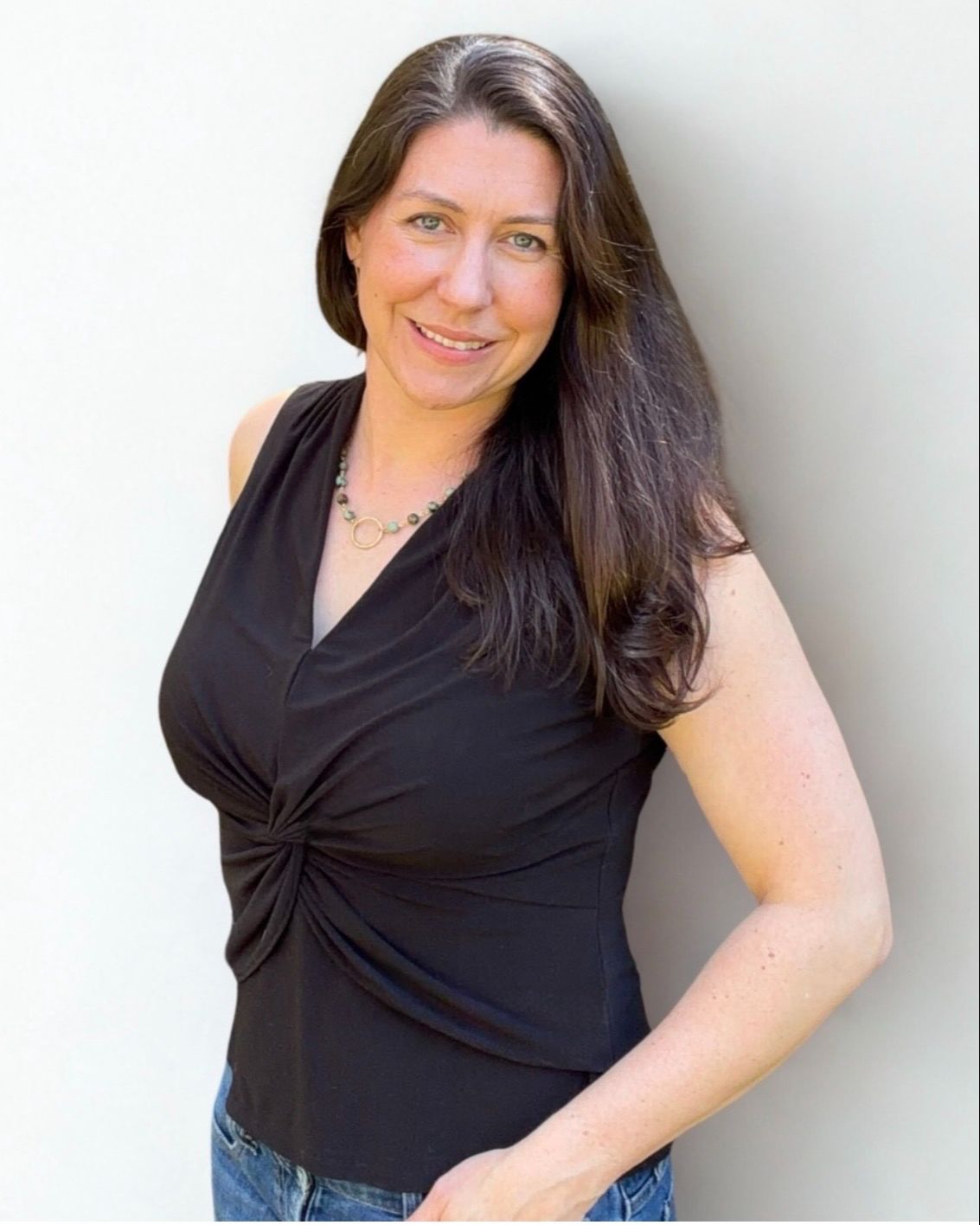
In this episode of Stop the Burnout, Dr. Amber Parks sits down with Dr. Kristin Welch, a board-certified emergency and critical care specialist and founder of DVM STAT Consulting, to discuss how teleconsultation is transforming veterinary medicine.
They explore how veterinarians can collaborate with specialists in real time, 24/7, to manage complex cases, improve patient outcomes, and reduce the overwhelming mental load that comes with difficult medical decisions.
From emergency cases to complicated internal medicine patients, this conversation highlights how having access to expert support around the clock can improve confidence, support continued learning, and provide written consultation reports that can serve as templates for managing similar cases in the future.
If you’ve ever stayed up all night replaying a case in your head, wondering if you made the right call, this episode will remind you that veterinary medicine was never meant to be practiced alone.
What You'll Learn In This Episode:
00:00 – Why difficult cases often create a heavy mental load for veterinarians
03:00 – What teleconsultation is and how it differs from telemedicine
07:30 – How veterinarians can access specialist support anywhere in the world
11:00 – Who benefits most from teleconsultation (GPs, ER vets, and relief doctors)
15:30 – How teleconsultation can support veterinarians managing complex medical cases
20:00 – Why asking for help can actually strengthen clinical confidence
24:30 – The impact judgment and criticism can have on veterinarians seeking guidance
29:00 – How practices can offer specialist collaboration without increasing overhead
33:30 – How teleconsultation improves learning, confidence, and patient care
38:30 – How collaboration can reduce stress and mental load in veterinary medicine
Key Takeaway
-
Veterinary medicine is complex, and no doctor is expected to have every answer
-
Teleconsultation allows veterinarians to collaborate with specialists in real time
-
Having an outside perspective can prevent tunnel vision in complicated cases
-
Access to specialist guidance can improve both patient care and clinical confidence
-
Collaborative medicine reduces stress and helps veterinarians avoid feeling isolated in practice
A Truth You Need to Hear:
“Sometimes you’ve exhausted all of your mental reserves. Having someone you can talk to about the case without judgment, someone who can help guide you, can make all the difference and ultimately help provide better care for the pet.”
Links mentioned:
DVM Stat Consulting Info:
TikTok: dvmstatconsulting
Facebook: DVM Stat Consulting
Website: www.dvmstat.com
Contact: [email protected]
Follow & find Dr. Amber Parks:
www.thestressandburnoutcoach.com
🔗 Download Your FREE Burnout Survival Guide HERE
S2 Epi 52 Transcript: Reducing Stress and Improving Patient Care Through Teleconsultation with Dr. Kristin Welch
[00:00:00] Dr. Amber Parks: Welcome to Stop the Burnout. A podcast for veterinary professionals who love medicine but are exhausted by the people pressure expectations, and the constant mental load that comes with it. If you've ever thought, I shouldn't feel this drain doing something I care about, you are not alone and you're definitely not broken.
I'm Dr. Amber Parks a veterinarian turn, stress and burnout coach, and here we talk about this stuff that no one taught us. Like how to actually break the stress and burnout patterns once and for all, and how to stay in this profession without losing yourself. You won't find bubble bath toxic positivity or self-care fluff pretending to be the solution here.
Let's get into it. All right, welcome back to another episode of Stop the Burnout. Have you ever had a case where you just left work still thinking about it all night because you weren't completely sure that you made the right decision? These difficult cases, they can really carry a huge mental load for veterinarians, [00:01:00] especially when we feel like we're supposed to have all the answers, and that is why I am so excited to have on a guest today, Dr. Kristin Welch. Dr. Welch is a board-certified emergency and critical care specialist and the founder of DVM Stat Consulting, a 24/7 TELECONSULTATION service. That connects veterinarians with board-certified specialists for real-time clinical support. She earned her veterinary degree from Michigan State University and completed advanced training at the University of Pennsylvania and Tufts University.
After years leading specialty hospitals, she launched DVM Stat. To make sure specialty expertise were more accessible to veterinarians everywhere. She lives in South on the coast, in South Carolina with her husband and three kids where she enjoys staying active, spending time outdoors, and planning [00:02:00] their next adventure.
Welcome Dr. Welch. Thanks so much for having me. Yeah, it's a pleasure. I'm so excited because before we started recording, we were talking this is, I think, so beneficial to both of our audiences. And I just, I love this concept too, so I can't wait for everyone to hear. So I gave a little bit of backstory on you and yourself, but
Dr. Welch's Background and Creation of DVM Stat
---
[00:02:25] Dr. Amber Parks: tell us a little bit about your background and what actually led you to create DVM Stat.
[00:02:32] Dr. Kristin Welch: Absolutely. So, I spent, the better part of the last 20 years in referral practice, and one of the things that is an overwhelmingly common theme in referral practice is that. It is difficult for veterinarians in many regions of my state and many regions of my region, and of course in many regions of the country to get access to specialty care.
It is limited by [00:03:00] client finances, client availability, to be able to travel long distances to get into referral practice, and by the specialty. Schedule limitations that we all have in practice. And one of the things that, I spent about eight years doing was operating a phone consult service at my specialty hospital, and I absolutely loved doing that.
Just in part of the daily fold of my regular job, it allowed me to be able to talk to veterinarian. From all over my state and the bordering states to help them with all sorts of cases, whether it was an emergency or a cardio case, or an anesthesia case that wasn't doing well, and give them that guidance that they needed.
[00:03:39] Dr. Amber Parks: And that was when the light bulb went off in my head. Like, I can probably do this on a greater scale than what I'm doing right now, helping just people in South Carolina. And that was the kickoff for launching DVM Stat in 2019. Awesome. Oh my gosh. I love, I love, love that. And I love that. You found this thing that [00:04:00] maybe not everyone either would enjoy or they just think, oh, it's part of my job.
They don't even think twice, but you're like, I can do this on a bigger scale and help more people, which I just, I love, love that for, for you and, and for the people that get to benefit from that, because I know anyone listening, I've been on the GP side and er, and there's times where you're just like.
Especially er, it's 11 o'clock at night, you're like, am I losing my mind? I have a question it, and it's just so reassuring to be able to talk to a colleague and a specialist and someone that can really give you that guidance to really help, direct on what to do with the, the case, but also.
What we're all here for, which is, for the pets, it's like the best thing for the pets. So I, I really love that. And if anyone's listening and they're not really sure what, or they're not familiar [00:05:00] with DVM consulting,
How DVM Stat Works
---
[00:05:06] Dr. Amber Parks: can you explain how even your business specifically works? if I'm a general practitioner and I wanna, start this,
[00:05:10] Dr. Kristin Welch: Start working with you, what does that look like? And, and, what do you have to do to do that, to get on board with your service? Perfect. Yeah, good question. So first it's important to understand kind of the definition difference between telemedicine and teleconsultation. So telemedicine is a veterinarian speaking with a client, a pet owner, to help them with their pet.
And that, of course, in many states, requires a valid veterinary client patient relationship to be in place in order to legally do that. Teleconsultation though is unique in that because it is veterinarian to veterinarian consultation and oftentimes it's specialist to another specialist or to a general practitioner or an ER doctor, that practitioner.
That is the general practitioner or the ER doctor maintains the veterinary client patient [00:06:00] relationship, and so the specialist can be located anywhere, which is really cool because it allows us to have a network of specialists that are based all across the us. But we provide consults throughout the us, throughout Canada, throughout Australia, and can consult really anywhere as long as the primary veterinarian who's initiating the consult has a valid legal relationship with their client and their patient.
And so for us, what's great is that any veterinarian, whether you're a relief doctor or you're based in a hospital, can begin working with us and start utilizing our services for just one-off consultations to help you with a difficult case or a case where you just really want that pet to get into a specialist, but it's not feasible.
[00:06:44] Dr. Amber Parks: And so Teleconsultation becomes the next best option. Perfect. That was a great. Observation, and thank you for clearing that up too, because I do think those words get used interchangeably and they [00:07:00] definitely means two different things for sure. And yeah, I think that for something like that, I love that you are international too, and that's really veterinary medicine is not that big of a profession when you really, when it comes down to it, so.
Being able to reach people that might not have this type of service in their area or country even is awesome. I I love that this is, so accessible for people too. And I love, you mentioned the one-off, consultations too. So is that something that people typically start with, Hey, let me see what this is like so I can understand how this works, or what do you typically find?
[00:07:43] Dr. Kristin Welch: What's great with our service is that there aren't any memberships or subscriptions. You can literally just do a consult, PRN, whenever you have the need and pass that consult fee, plus or minus any markup that you add onto it through your hospital [00:08:00] onto the client like they would pay if they were going into a specialty clinic to have a consult or like they would pay if you were doing a poison control consult for instance.
all of those fees are. Consultation fees that you're providing as a service to the client to enhance the level of care at your practice. And so passing that charge along like you do for blood work is totally appropriate. And with us, you can do zero consults one month and 20 consults the next month, and you literally only pay for what you use, which is great.
[00:08:28] Dr. Amber Parks: So having a free account allows you the liberty and the latitude to have 44 specialists on call anytime you need them for all of your cases. Oh my gosh. 44 specialists. That's probably better than a full staffed, referral hospital in, in your area. I'm in central Florida, so I'm not, that's pretty suburban, urban and we have a lot of referral hospitals and I don't know if all of them together would have that many, that is, that's really, really cool.[00:09:00]
So if. I love that if there isn't a, the membership aspect, right. And I think just for, depending on what it is, but I do think for certain things that can limit people into bringing these type of services into their practice. 'cause then they feel like, well I've gotta at least pay for it. Right? I need to do x number of cases and, and then anything that we're, I feel like we're ever forced to do is never gonna feel good.
Yes. And even though it's. Good medicine sometimes that just muddies the water, so I love that. it's something that can be spur of the moment. Let's get this started. I have a case that would be perfect for this, and that kind of leads me to my next question too, is
Who Uses DVM Stat
---
[00:09:46] Dr. Amber Parks: what type of veterinarians typically use the surface general practice?
[00:09:51] Dr. Kristin Welch: You mentioned specialty before too, what do you typically see? Well, it's interesting because when I launched this initially, it was the, with the goal [00:10:00] of increasing access of specialty medicine to practitioners who were in areas of the country that didn't have access to specialty nearby.
And so I had thought and predicted that the bulk of our users would be general practitioners and more rural or underserved areas of the country. but what's been fascinating over the years is just seeing the really creative ways. That practitioners have decided to harness the power of having a specialist on call to help them enhance the level of medicine in their practice.
So yes, we work with a lot of early career vets, but they don't even make the bulk of our caseload. We work with a ton of, Mature practitioners like you and I who've been doing this for quite some time, who really value high quality medicine. We all, I understand that. I don't know everything. I'm sure you'll probably be the same.
I love asking for a second opinion from another specialist or another practitioner who has more experience in an area than I [00:11:00] do. And, They're comfortable doing that. Kind of comfortable in their own skin, being able to, yeah, to ask for help. I do it all the time and I'm lucky 'cause I have. 43 other specialists that I can be like, beep, beep, beep.
I have a question about this case. but, that's, that's the kind of environment that we want to be. It's just so super friendly and accessible. And and we work with tons of sonography groups too, so other specialists that specialize in ultrasound or internists that are doing cardio consults, but they wanna.
Send those through a cardiologist to be interpreted. Mm-hmm. They're obtaining the images and then sending them to us for a specialty interpretation. There's so many really creative ways that teleconsultation can be built into a practice. One of our more recent, use cases has been a big specialty group that's lacking a specialty department right now.
They're hiring for it. They've got somebody on, on maternity leave and they're hiring to fill a gap. So they hired us. As their specialty group to keep [00:12:00] that department in this multi-specialty hospital rolling. And they keep seeing cases, they're still treating the patients, but they're using remote teleconsultation as sort of a no overhead way to keep that department going while they're waiting for maternity leave to end and another practitioner to join their team.
Oh wow. Yeah. I would have never thought that, Yeah. Ing. Yeah. And that's really neat too. I mean, on the business side, right? they can keep that going. That makes sense business wise. But also too, I, I know that there have been specialty hospitals in my area that. Maybe they had one doctor that was on a service and then Yes.
[00:12:40] Dr. Amber Parks: Maternity leave, or they moved out of the area. Mm-hmm. And then all of a sudden, that person that you always referred stuff to, now you're kind of like, so it, it has a trickle down effect too. So it's Absolutely. Yeah. So it's really nice. And clients I think get comfortable, like, oh, well I went to X hospital with that specialist with my [00:13:00] last pet, and so, oh, they're not there, so it's almost like.
Starting all over again. So to have it stay in that same specialty hospital is really, really cool. I, I think, yeah, you mentioned too, ul sonographers, ultra sonographers doing things like abdominal ultrasounds, but even echoes. Oh, yeah. So that's another thing in my area, I think it's changed, but probably about five years ago.
[00:13:26] Dr. Kristin Welch: We had a very small number of cardiologists, but we had some internal medicine specialists that would do echos. And so I would always be like, hi, this is, I, I need an echo. And they're like, which I completely understand. they're like, I can do it, but I would rather have you go to a cardiologist if you can.
So that is really. Neat that, that you can, kind of fill that gap for that type of service too. I love that. No, I think it's great. And what's also [00:14:00] very cool about Teleconsultation is that since you, as in this example, the general practitioner get to maintain your veterinary client patient relationship, your client stays at your hospital, your patient stays in your care, and you are allowing another specialist to come into.
That relationship to help you co-manage the patient. So not only is it fantastic for the client from a convenience standpoint, it's fantastic for the pet from a level of care standpoint, and it's great for the hospital and the practice manager and the practice owner from a keep all of the care on site perspective.
[00:14:40] Dr. Amber Parks: So it really benefits everybody. Yeah, it, it really does. That made me think too, I, I had several clients when I was an associate. They were fabulous clients. they would do whatever and their pets need specialty care. And they're like, no. And I'd be like, but wait, what? and, and really what it [00:15:00] came down to in our conversation was, I know you and I know this hospital and I wanna stay here.
[00:15:06] Dr. Kristin Welch: And it, it boggled my mind that, I mean, I understand it too, as, as a pet owner, but they would rather maybe not get. That level of care just to stay in a place that they're familiar with, yeah. And talking to the doctor that they're familiar with, that they know they already trust because it's hard.
It's hard to go out and build that new relationship. I struggle with that. Finding pediatricians for my children. Yeah. you struggle to find somebody that you like their bedside manner. You enjoy the way that they speak. You feel like you're getting the right amount of information. They're not rushing you all of the things that you've cultivated with your client already.
[00:15:47] Dr. Amber Parks: So it just makes sense to, if it's appropriate. continue to manage that case and just bring another team member into the management group. Yeah, yeah, absolutely. Because I, in [00:16:00] some of those cases, you said, those people, it takes a long time to find the people that you gel well with. Yeah, totally.
And then I've sent people to specialists, and I love the specialist. I know they know their stuff. I love getting on the phone. But yes, maybe the bedside manner wasn't, what they were used to. Right. And again, it's just people to people just finding that, common ground. And then I had to hear about it, I was a bad doctor.
[00:16:27] Dr. Kristin Welch: 'cause I, I'm like, oh my gosh, we're just trying to get the best care for your pet. So. Right. I, I love, love that. What about, so I did relief for five plus years.
Relief Veterinarians and DVM Stat
---
[00:16:39] Dr. Kristin Welch: Can someone as a relief doctor, utilize your service, go into a hospital? Utilize the service. how would that work? Yeah, absolutely.
We have a whole setup specifically for relief doctor accounts. and I do relief too, so I know how hard it is to pop into another hospital and not have the same resources [00:17:00] that you may be used to or more limitations than what. What you wish were there. So we made it very easy and barrier free for relief doctors to be able to utilize our services.
a doctor can sign up under their name, so Kristen Welch, DVM Relief Doctor, and that's your, your account. And every time you do a consult, the report comes back to you as the relief doctor and you are responsible for communicating it with. The client that's with you. So if you're doing a radiology consult, it'll come back during your shift.
You can talk to the client about the result. and then you can either have the clinic. Be responsible for collecting payment from the client and then pay the invoice at the end of the month. Or some of our relief doctors actually just include the co cost of the consult in their relief hours bill. So when they're sending in their invoice for their hours and their travel, they include the consult fee in there, and then the relief doctor takes care of the payment then and there, [00:18:00] and either option works.
[00:18:01] Dr. Amber Parks: Mm-hmm. It's really just dependent on what the relief doctor, LLC or S corp is set up like, and how they want to take care of it. Yeah. Oh, I, that's, that's really good to know because I mean, when I went into relief and I, a lot of the clients that I work with, other veterinary professionals that do relief, we're like, and you, same thing.
We just never know what you're gonna walk into. Mm-hmm. And especially er, if it is that. Middle of the night, I need someone that I can call on to ask this question. Yeah. And I, I have found just in my coaching business, and I think it's the, the nature of the profession, we're in a very dynamic, everything's moving very quickly with our profession, but I have found a lot of newer graduates are going into relief.
And there's, there's thoughts on that on both sides, but. They're really going for that better quality of life and trying to have that work life [00:19:00] balance. And so to have a service like this in their back pocket would be, I think, twofold. One, they would feel more comfortable, but the hospital that's hiring them is like, oh, this is great, to have this type of care.
[00:19:15] Dr. Kristin Welch: Yeah, that's a really fantastic. Concept that you're mentioning because it does, it allows the, the newer grad to be able to have basically specialists on call 24 7 that they can literally dial the stat line, have a criticalist, answer the phone, go through the whole case, and come up with a plan then and there.
And then there's written documentation with every consult as well. So we review all the medical records, the blood work, x-rays, whatever you have, POCUS images. and provide a full written report. So then the hospital also sees the value of that too. So it's not only the learning value from the doctor who's doing the consult and the client's perceived value, that now the doctor's confident in the plan and this is what we're going to go forward with.
But the hospital gets to have that, that kind of written [00:20:00] documentation to help the relief doctor justify being able to utilize a teleconsult service for. Amplifying their level of medicine and improving, I guess confidence with some of these complex cases. Because we all want to have the ability to phone a friend and ask for a second opinion.
all of us, no matter how many years you've been out doing this, and no matter how specialized you are or not, it's just completely normal to be in situations where you wanna turn to the person next to you and ask a second opinion. But if there is no person next to you. The next best thing is text your bestie or call Dion stat.
[00:20:39] Dr. Amber Parks: Right, right, right, right. And at two in the morning, your bestie may not be in the mood to go through a full case with you. I definitely did that when I was fresh out of school because this is another point too, that the clients that I work with. That do, even if they have an amazing mentor, sometimes they're like, [00:21:00] the question I need to ask is so in depth.
It's not. It's never just one question. Right. Yeah. And it's. Depending on that answer. Now I have a bunch of other questions and so they feel bad because their mentor is also seeing a full book of appointments. They're seeing a full book of an appointment, and sometimes it's not always feasible to get into that in-depth conversation, in in real time too.
And I know I've had. Colleagues that are like, I also know I can call my local referral hospital, but it's the same concept. I know they're busy. I am like, it's kind of like, Hey, this is just a nice thing that you offer. And after a while I, I know I did this too, I would feel bad. I was in newer grad and I'm like, I need to stop calling these poor people about, about these questions.
So, and it's better medicine. It's just more thorough. It's not that off the cuff question, it's like. Let's make sure that we're [00:22:00] doing this all correct and we're doing this in a way that I think that's the other part is we learn, right? I know a lot of times the cases that we see, especially fresh out of school, those are the ones that stick with us.
Yeah. And kind of mold, even if it's a chronic kidney case or it's an Addisonian, it's those cases that. We remember because then when we see it again, we kind of refer back to, oh yeah. When I first saw one of these. Mm-hmm. To know that you're doing those things right. I think is, is really helpful too.
Benefits of Teleconsultation
---
[00:22:34] Dr. Kristin Welch: It's really nice too to have written documentation as well. So after you do that consult, you now have this, and it's like your own little encyclopedia about this case that now is just cemented in your mind because you've seen it, you've experienced it, you've made the recommendation, you've had the communication with the client, and when you need to refer back to it, you have that entire report that you can use as a template.
For [00:23:00] how to manage the next similar case or what data you need to talk to the client about what statistics and percentages of, mortality they should expect and those sorts of things. it's just so nice to have something you can refer back to, which is why it's kind of us. A step above just doing a quick phone consult.
[00:23:19] Dr. Amber Parks: all of our phone consults and all of our online consults are all written documents with the goal of being entirely educational to empower veterinarians to be able to better manage similar cases in the future and nail that case that they're taking care of right now. Yeah, that is a really good point.
I think, having it written down, because a lot of times, yes, we're doing a million things at once, and then it's like, all right, let me go back and look at that. So you mentioned there's things what came to mind for me is an IMHA case. if I have an IMHA case on the written document, so what does it have?
[00:23:56] Dr. Kristin Welch: it has some statistics, things that I can relate to the [00:24:00] client and then monitoring PCB, stuff like that. what does that typically look like? So it'll be the full case summary of the case that you presented to us, including a full medical records review for three to six months of medical records, which is great.
we literally dig deep in there to make sure we're not missing anything. you're. Assessment section with your prioritized differentials, a clinical assessment, talking about why we think in your case, IMHA is the most likely diagnosis, what diseases we need to rule out that may be causes a secondary IMHA, any confirmatory diagnostics that need to be done to ensure that this is the correct diagnosis.
And then a list of diagnostic recommendations, monitoring recommendations. Therapeutic recommendations and a client communication section, which is really cool. Awesome. So it's like, it's kind of like your own little edinger copy. Yeah. But tailored to your case, written by the specialist that's working with you and nuanced for the changes in [00:25:00] abnormalities that are going on with that patient.
Yes. That is amazing. Yeah, that is a great. learning tool for anyone who who's been out for a year or 20, just for sure. I love reading them. absolutely love reading all of the reports because I learned so much and I've been doing this for 20 years now, it's wild.
[00:25:20] Dr. Amber Parks: You've never stopped learning, which I think is the best part of our profession. Yeah. If you're open to it, it is like the best thing to just continue to, to grow your knowledge base and to learn from. The cases that other people are seeing. Yeah, for sure. And and that's where too, I know the specialists, because it's our specialty, are keeping up to date with all the things that are changing.
Whereas sometimes in GP you're like, all right, I went to a conference, I did a bunch of, ce, and now I'm like, where are my notes? And so to know that you're getting that most up to date. Information as well as [00:26:00] treatment options is amazing. that is in one place too, right? Yeah. that's, that's awesome.
[00:26:06] Dr. Kristin Welch: what type, I mentioned IMHA 'cause that just came to me, but
Types of Cases
---
[00:26:17] Dr. Kristin Welch: what type of cases do you guys see? I mean, I'm sure there's a big. Span of different types of cases, but yeah, it's definitely really broad. Our most utilized services are internal medicine diagnostic imaging, cardiology, oncology, and ECC. and those are ones that kind of make sense because cardio cases are always tough.
They're chronic and when they're not going well, they are acute and very rapidly destabilizing. So in, in those types of cases, a cardiology stat consult is a lifeline. get this patient stabilized, figure out what the most likely, best next step is going to be and how we're gonna get this patient.
Out of oxygen breathing comfortably so that we can start them on medication and get them back home [00:27:00] with their owner. And, stat consults are phenomenal for that. And then for internal medicine, it's we, because we have cases that are from such broad areas like Canada, Australia, mm-hmm. The west coast of the us, the fungal belt in the us.
right. and everywhere in between we get a really neat, diverse selection of patients that consult for internal medicine. A lot of the really common cases, are co complex C wide cases that aren't doing well, or diabetic patients that have comorbidities like a KI and heart disease and Cushings, these complex internal medicine.
Sort of puzzles that that they have now five problems, but how do you prioritize and balance, right? Which of these are the most important to treat and without destabilizing the other problem, Yes. It's, that's kind of the, the crux of, I think the internal medicines love language is give me the more complex nebulous case.[00:28:00]
Yay, you'll be so happy. But, those cases are fantastic for this type of consult because it allows someone who's kind of removed from the case to literally dig through all of the pages of these labor intensive medical records and pull out all of the problems one by one, and then look at it from a fresh lens.
[00:28:20] Dr. Amber Parks: Not a bias lens like we often get when we're directly involved with the case. Right? And to provide objective guidance on this is what we have to prioritize and in this order. Yes. Yeah. I had a, one of my clients recently, the, she's been out for a few years, but we had a case, or she had a case, excuse me, and it was.
It was just like that. It was very complex. It's not like an acute emergency, but it was so complex and part of her challenge and many people's challenge is like, well, I also have, 20 appointments I have to go see and I just did blood [00:29:00] work and I have to call this owner back. And I'm like, and so.
[00:29:04] Dr. Kristin Welch: she's like, I had to wait till the end of the day that I'm sitting down trying to look at this complicated case, and everyone has left for the day. Now I'm by myself and I have questions and there's no one to ask. Yeah. And talk about stress, because. That is, it's, it is one of those things, I think I've seen that patient actually.
[00:29:21] Dr. Amber Parks: The heart disease, I think we all have. Yeah. this problem list is a full page long. Right, right. I know. You're like, okay, or, or you do relief and you pick it up and you're like, oh man, let me. You try to, get up to speed as much as you can with that, but that is really, really challenging.
Yes. So that is, yeah, that, that is great. That especially internal medicine loves those complicated things because sometimes when we are that stress and you said, bias too. Mm-hmm. We can't see any other options out there or what we should do next because. [00:30:00] Sometimes too. I think our relationship with the client is what makes it tough because we know they, have a hard time with this or they don't wanna do this or they mention this and so we Right.
[00:30:11] Dr. Kristin Welch: Can close off options before we even have that conversation with them too. Yeah, and it's so easy to get tunnel vision. we, we all do it, but tunnel vision is, becomes really difficult, especially when you're taking little pieces of information that you're getting back as you get back to say your pocus and then you get back your.
Venous blood gas and now you have your CBC back and then you get your chemistry back and all of it sort of adds up that you're tunneling down this one path, but you have the blinders up and because you're not looking at the case objectively anymore, 'cause you're on a roll and you're like, I've got it.
I know what's going on. You miss the giant elephant in the diagnostic results that it. Allows, allows you to kind of have to go through a therapeutic trial before you realize that maybe the patient's not [00:31:00] responding and literally we have all done this. It is so common, it's just part of our practice, but having somebody from the outside who looks at everything objectively is really great to be able to hear.
[00:31:15] Dr. Amber Parks: All of the diagnostics and your thought process, and then look at all of the medical records objectively. Put two and two together and come up with what is the best plan and are we on the right track for diagnosis or should we be looking at something else? Yes. Yeah. And what I've noticed too, I know for myself years ago and my coaching clients that I work with are literal cognitive.
Load of information, when we get to that point that we are so stressed mm-hmm. Then we don't have the capacity to really dive into those cases like we would like. Right. And now we're stressed because we're overwhelmed, but then we start to [00:32:00] forget things. Oh yeah. And and then you're like second guessing yourself and you're like, wait, I thought it was this.
And so that can be a really messes with our mind, really. And to be able to be like. Nope. Let me look at this entire thing. Let's get us, we'll write the ship, so to speak, and let's have a plan moving forward. I mean, that right there can really reduce the stress for a co, a complicated case like that.
[00:32:27] Dr. Kristin Welch: Absolutely, and the case doesn't even truly have to be complicated per se. sometimes you're just at a point where you have exhausted all of your mental reserves. Yeah, and you've got a client who needs answers. You have a pet in front of you that's not looking good, or you know you're not on the right track, and that's when having.
Just someone you can talk to about the case or write in and submit your case online can be so helpful because it's [00:33:00] non-judgmental and it is just literally like a total safe space. And I think honestly, that's like my goal when I started DVM Stat was to have a non-judgmental, friendly resource.
To support veterinarians in practice and support clients to get specialty care for their pets, and that is such a core tenant of what we do. That there is never, like, if we're not on the right track with a case, there is never judgment about that. We just redirect and get us back on track, but in a way that allows you to walk away from it feeling like, wow, I learned so much from that.
Without even a shred of, gosh, I was on the wrong track. That's awful. Right. And I think we've all been in that situation where you feel terrible because you were barking up the wrong tree with Right. a diagnosis or chasing the wrong thing. And, and it's just, it's part of what happens, but it's how you deal with that and how you learn from it, that I [00:34:00] think really helps to.
[00:34:02] Dr. Amber Parks: Improve and lower the stress level that's inherent in our veterinary field. Yes. I'm so glad that you brought that point up because that was actually one of my questions. I was gonna say,
Reducing Stress and Building Confidence
---
[00:34:14] Dr. Amber Parks: for those people that hesitate to ask for help, a lot of times they've hesitated because they have asked for help before.
Mm-hmm. And they got that judgment. Yeah. And I've, I've been one of those that I, and I'm like, I chalk it up to they had a bad day moving on. But it's really hard when you are very stressed and maybe burnt out. Your resilience to that is minimal. Yeah, for sure. Rejection. in a way, rejection, it's really, really, yeah.
[00:34:43] Dr. Kristin Welch: And feel soul crushing. Right, right. Yeah. We don't, there every, I'm positive every veterinarian on earth can raise their hand and tell you about that situation. That became a core memory where someone, made you feel like you were belittled because [00:35:00] of. How you answered a question or the fact that you didn't know the answer to a question.
I've got one of those and I could enumerate what it was. It's just they become part of your core of who you are. And so I think that that limit keeps people from feeling comfortable saying, I don't know the answer, whether it's fear of judgment from the client. Or fear of judgment from the peers in the hospital, or fear of judgment from the local referral hospital who may, they may be worried, might pass judgment on them.
but I always, I always try to advocate for being comfortable saying, I don't know the answer to this right now, but I'm going to go look up some resources and talk to a couple colleagues who've seen this more recently than I have. And I'll get all this information together and let's plan a phone call at two o'clock today.
Yes. Yes. it's it if you frame it in a way that you are [00:36:00] gaining more knowledge to help the client with their pet, which of course is always the goal. Right. There is never been, in my experience, negative judgment from the client that I didn't know the answer to something. and I just, I think it's so important.
It's the way that if you frame it in your mind in a way that you literally, you want to go learn and know more about this so you can do better. It comes across to the client in the exact same way, and it allows you to better advocate for. Advanced care for the pet, better advocate for advanced knowledge for you, and it just improves overall medical care.
[00:36:42] Dr. Amber Parks: Yeah, that is, that's true. I have to agree with that. I, I've definitely said that to clients and cringed, how is this gonna go down? And it was taken so well. Yeah. And it's like, we're human. Let's normalize. We don't know all the answers. The only time [00:37:00] there's a problem is when we act like we do and we don't, and then we just Absolutely.
Mm-hmm. So, and I, I think sometimes that does happen because they've had past experiences with the judgment piece too. Right. Yeah. No, I, I think that's such a good point. And this is like, I feel like this could happen at any given day, at any veterinary hospital for sure. Any of these, these scenarios, that, that we've mentioned.
The other thing too, so I wanna change gears just a little bit, but
Implementing DVM Stat in Your Practice
---
[00:37:36] Dr. Amber Parks: for anyone that's listening, maybe they're an associate veterinarian or they're, a medical director and they're like, this sounds great. I would love to get started with this. But immediately they then think, well, my practice owner or management isn't gonna be, they don't wanna pay for something, it's just mm-hmm.
[00:37:53] Dr. Kristin Welch: Another service, which we know that is not the case. It provides such great value, but what would you tell someone like that who's really eager to do [00:38:00] it, but they're not sure how that's gonna be received? So that's a really common, common question I think in general because, the practicing associates definitely want this as an option to help and they're nervous about bringing it up to their practice manager, because.
There is a cost associated with doing a consult, albeit it's significantly more affordable than, going into referral so that there's limited barriers to being able to utilize the specialty consult service. But what's great is it's a no overhead way for a practice to expand their practice capabilities and expand their team.
The practice can. Advertise that they work with a network of board certified specialists, which is phenomenal. Can you imagine a general practice saying, right, that we collaborate with a network of 40 plus board certified specialists, right? That are available [00:39:00] to us seven days a week. The. Practice doesn't pay any fees to have an account at all, right?
And the consult is a consult that is, approved by the client and then the charges passed along to the client, plus or minus any markup that the hospital does, to account for the doctor's time. In putting together the consult request and reviewing the results with the owner, typically the equivalent of an appointment fee or a consult fee is added onto it.
And so it becomes a net zero for the hospital, from a consult cost perspective, but a net positive because now all of the client care and the pet care and the lab work and the diagnostics and the long-term monitoring. All happen at their hospital. Yeah. So it actually becomes a revenue, a stream, for the practice owner.
[00:39:49] Dr. Amber Parks: The practice manager, which is, just a secondary benefit of being able to provide high quality medical care at the practice. [00:40:00] Yes. Yeah. And the part about, yeah, we collaborate with a network of, 44 specialists, who wouldn't wanna bring their pet there for sure. I think too, then a client has a great experience with that.
And oh, by the way, I love my general prac practice veterinarian, Dr. So-and-so, and they collaborate. And so they tell a friend, and their friend's like, oh, you didn't have to go to the specialist, for that. Well, they collaborate. It's like, oh, okay. So, and you said earlier, there's no subscriptions.
It's not a membership thing, so it's. even just to try it out is, is a win-win for, for the patient and the hospital, which is, why we do, why we do what we do. So, absolutely. Yeah. I, I think that I, and I think, veterinary medicine is shifting that way. It's been shifting that way for a while, that clients are gonna want a certain level of care for their pets, and they expect that, and it's like.
[00:40:58] Dr. Kristin Welch: How can we bring that to [00:41:00] them? So it's a seamless process too. Yeah. And clients have so much more knowledge access now to where they're coming in prepared and sometimes they even know the tentative diagnosis for what's going on before they present the history to you because they've done an AI search, they've been looking things up and so yeah.
Clients I think are, are driving a higher level of. Kinda diagnostic capability and level of care. But I truly think that what's so special about primary care veterinarians relationship with their clients is that long-term bond that the client truly trusts and. Respects and wants the primary care veterinarian to be fully involved in the care of their patient.
They want the primary care veterinarian to have an opinion on what specialty treatment moves forward, even if the pet's at the referral center being treated. and now we can kind [00:42:00] of button that all up and keep it all local and in-house. And Teleconsultation doesn't. Take the place of referral in all cases, right?
Referral, I've spent my entire career in referral medicine, being onsite in a specialty practice where you need advanced diagnostics and the patient needs to be hospitalized in a 24 hour care with an ICU. all of those things go without saying referral is still phenomenal and the the best option for a lot of situations, but there are so many situations where,
[00:42:31] Dr. Amber Parks: Teleconsultation is the next best option. And that's a great thing to be able to offer your clients. Yeah, because I think a lot of clients get like, my pet's sick right now. He needs to be hospitalized. that makes sense. Where I think sometimes there's, maybe a disconnect is like that chronic OID case, it's also diabetic, it's like.
The dog just came in for their annual Yeah. And we did blood work, and they're like, well, I [00:43:00] don, I have to go to specialist. He's fine. He is right here. so, so sometimes that jump is, is a little more challenging versus yes. The acutely sick ones that need advanced diagnostics or surgery or whatever that looks like,
[00:43:12] Dr. Kristin Welch: Right. That makes sense. well, telecon. Teleconsults too can help, practices use their diagnostics on site to a higher level as well. So if you have an onsite ultrasound at your practice and you're doing general basic ultrasound scans or even diagnostic ultrasound scans, you can send that in for a full internal medicine consult with an ultrasound interpretation or send it in through radiology for a radiologist review and be able to.
Actually put that beautiful ultrasound machine you have to use in full capacity. And we work one-on-one with hospitals to help train them to, improve their ultrasound technique as well, which is really unique. Nice. Yeah, I was gonna say, so it's not just this really expensive Cisco machine. Yeah, exactly.
Ultrasound Training and CE Opportunities
---
[00:44:17] Dr. Amber Parks: can you tell me a little bit more about how you do that? Because I think for people that want to, even if they're seasoned veterinarians, maybe they didn't have a lot of ultra sonography training, how do you do that? And also, I was gonna mention, tell us a little bit about your CE that you have too.
[00:44:20] Dr. Kristin Welch: Oh, absolutely. Yes. CE is a, and education is a huge core part of what we do. so from a ultrasound standpoint, we, we, I generally will work one-on-one with the hospital to work with their sonographer through a combination of, virtual video training. And case assessment where we'll go through the case and make recommendations on improved settings, improved depth, focal distance.
Should they rotate their probe? Do they need to fan more, put more pressure, help with anatomy so that they can really understand what they're looking at? And. Develop a protocolized [00:45:00] ultrasound scan technique. 'cause just like your physical exam, you do the same physical exam and it's the same order on every patient every time.
So you don't miss things. Ultrasound should be the same way, but you have to get into a rhythm where you don't get waylaid by the, oh my gosh, there's a big mass and you forget now to look at four different organ and then the pet goes home and you're like, oh, I didn't see a left kidney. I definitely didn't see a gallbladder.
And you're like. all has those things. You just forgot to scan them. So, we work a lot on building good solid basic ultrasound skills and then improving techniques so that those ultrasounds are fully diagnostic. And that's always been, a passion project of mine. That's been really fun to see the progress that clinics make with their ultrasound scanning, because they can go over a month.
From not feeling comfortable doing ultrasounds to sending in these gorgeous ultrasound scans that they're now able to offer full diagnostic ultrasounds at their hospital with specialty interpretation. So that's pretty cool. Yeah. ce, so we have a [00:46:00] CE hub on our website that has a full calendar of. On demand CEEs, as well as all of our CE for 2026.
So we have, 10 on demand CEEs that are already approved from 2025, ranging from emergency critical care, cardiology, internal medicine, all kinds of fantastic topics. And our 2026, calendar so far we have. 17 CEEs scheduled for 2026. They're all free. Race approved at 8:00 PM Eastern. the dates are on the website, but ranging from, internal medicine, cardiology, oncology diagnostic imaging.
Anesthesia recover. Updates, the recover, newborn updates. nice. They're coming up too. And then kind of like an emergency critical care case popery, that is set up and targeted towards urgent care and primary care clinicians. Kind of like we've got this really sick case in front of us. This is the diagnosis.
What do you need to focus on so that [00:47:00] we can get this patient stabilized? oh, that is awesome. And yeah, we make all of our CEEs kind of case-based and really applicable. So you walk away and you've got all of these screenshotted images where you know oh, great, now I'm gonna employ this technique next time.
I know what I need to do for this case. And then we always send a kind of a high top 10. Updates on that CE afterwards so that you have that to save as well, to refer back to. And then the cool part is that a month later, so they show up on on demand, so you can just log back in and rewatch it again.
[00:47:32] Dr. Amber Parks: Mm-hmm. And if you need to screenshot other parts or take notes, you've got ready access to it too. Oh, so good. I love the part about real life cases because I think so many times. I've gone to lectures and I'm like, this is so good. And you're taking the notes and then you go into practice and you're like, well, it didn't present exactly that way.
Or, so there, right. There's the nuance of it. So having very, you can use this [00:48:00] tomorrow type of approach is so, so helpful too. Yeah. I love that. And I love, I just really, this whole idea is so collaborative and it's helpful. Really, there's everyone, right? the patient, the client, the veterinarian, the specialty, teleconsultation, I think I, I think that this is something that is a no brainer.
why wouldn't we have this and offer this to our clients? And giving that sense of confidence in the veterinarian that's managing the case too, is. Sometimes that is what we need, right? we just need that lifeline to be like, oh, okay, well, this is doable. it's very easy to get overwhelmed, with with everything that goes on.
[00:48:49] Dr. Kristin Welch: so yeah, a huge added benefit of this is just, it lowers practice stress. yes, we can't, we can't change the fact that you've got a full schedule with appointments every 20 [00:49:00] minutes and that, the sick appointments are just gonna pop into your, the 30 minute sick spots and mess up the whole entire day schedule.
Yeah. But what we can do is we can take a lot of that mental load away and help with those cases. And because we offer asynchronous and synchronous consults, you have options to literally just submit all of your data and keep going on with your day and get a report back at the end of the day and be able to call that client and be like, I've talked to a specialist, they've gone over everything.
This is how we need to proceed that. Mental load of stressing about that all day. now it's, it's gonna be five o'clock. No, it's gonna be six o'clock before I can actually go through this record, and then I have to look something up. I have to pull up a record and now review a paper. You don't have to do that.
We do all of that work for you so that you can kind of continue on with your day. And if it's an urgent case, you literally pick up the phone and call the stat line and you have somebody on the [00:50:00] phone right then who is able to talk to you about the case. So I think it's just, it's a big added benefit, the medical care aspect is, goes without saying that it improves, medical care and
Increases your ability at any hospital to be able to offer higher levels of care. But the huge personal benefit is self-development. Increase knowledge now, increase confidence in talking not only to that client, but the next time you see a similar case and the fact that now you've got a piece of documentation that you can use as a learning document moving forward for you and the other members of your team.
[00:50:46] Dr. Amber Parks: Yes. Yeah. And that's the other thing too. that's one case, right? Mm-hmm. And we, you said, those, sick patients just kind of pop into the working spot. And so now you could have multiple of those. And I was overwhelmed with one, and [00:51:00] now I have three, So that is, and our, I said earlier, our brain just shuts off when we get to a certain point of that.
that's, that's human nature and that's okay, but when every day is like that, that is. Really hard to be like, how am I gonna not only get through this, but also do it in a way that I feel comfortable and then learn something from it? So it, it's definitely a, a great approach for everyone involved.
Yeah. Love it. Well, I love this conversation. I think this is so helpful. And, I think I hear a lot too of people that maybe started. Out of school in a practice that they thought they were gonna get this really amazing dynamic mentorship and they didn't get that. But they're either, I won't say stuck there, but maybe they're by contract, they have to be there or they have to stay in the area, whatever that may be.
So now they feel torn [00:52:00] or they like every other aspect of the hospital, but the mentorship isn't there. And so, I think this can can help. Fill that gap to a certain degree of, at some point that doctor might be like, Hey, let me teach the other doctors. Hey, this is what I learned in this thing too.
[00:52:15] Dr. Kristin Welch: So it's so, so helpful. So for our listeners,
Closing and Where to Find DVM Stat
---
[00:52:33] Dr. Kristin Welch: where can they find you? I'm gonna put this in our show notes, but where can they find you on social media and your website? Cool website's, dvm stat.com and all of our social handles are at DV Stat Consulting. We're on, Instagram, Facebook. We just started a TikTok, so that in development.
but, and, or you can find us on LinkedIn as well. And we post a ton of, quick diagnostic imaging tips and cool case tidbits, on our socials as well. All with the goal of kind of sharing knowledge and helping to empower everybody to practice smarter and easier by picking up on some quick tips that can help you every day.
[00:52:59] Dr. Amber Parks: [00:53:00] I love that I have seen those and they've been super helpful because if we're scrolling on social media, we might as well be learning something at least in the process. Sure. I love screenshotting something when I see Yes, some cool posts, I'm like, awesome. And then it just goes into my save that med folder.
Yep. And I'll go back and refer to it again. it's fantastic. Yes. I love that. Well, thank you so much Dr. Welch. I'm so glad we got to have this conversation. And I said, we'll put everything in the show notes. Anything else that we missed at all or anything you wanna add to our listeners? Now this has been great.
[00:53:32] Dr. Kristin Welch: Thank you so much for having me. we would 100% love to work with any of you. So if you even just to have an inquiry and you wanna check in, you can message me on socials or you can go on our website and there's a contact form and if you want to get updates about our upcoming CEEs, 'cause you do have to register for each one as they come up.
Just sign up for our newsletter and once a month we send out. the monthly CE registration [00:54:00] and you can get on the docket for that. That way you never miss any of them. Perfect. Oh, so good. So, so good. Alright. Thanks so much. And yeah, thank you. Yeah, no problem. And everyone, we will catch you on the next episode of Stop the Burnout.